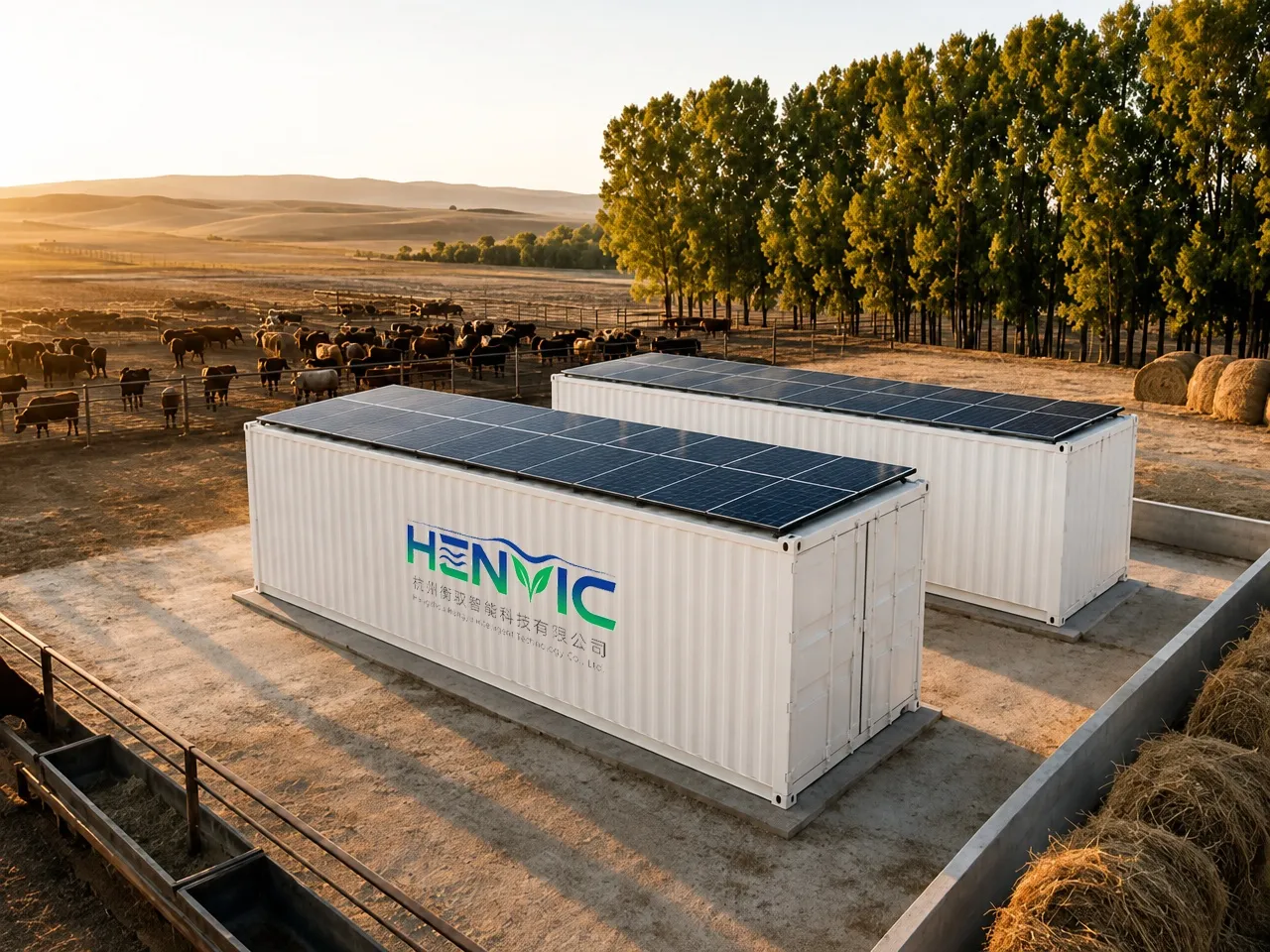
Container agriculture is neither a panacea nor a gimmick; it is a production platform whose economics depend on where it is deployed, what it grows, and how well it is operated. Understanding its real applications, its cost structure, and the technology trends shaping its future is essential for anyone assessing whether a container farm makes sense.
Where Container Farms Fit
The strongest use cases share a common feature: high product value or strong proximity-premium in a market where conventional production is constrained. Urban and peri-urban markets hungry for fresh, locally grown leafy greens and herbs are the classic application. Retail and food-service customers that value consistent year-round supply, traceability, and short supply chains are another. Remote communities, islands, and regions with hostile climates — the Arctic, the desert, disaster zones — find containers uniquely suited because they function independently of external conditions.
Institutional applications are growing. Restaurants, hotels, hospitals, universities, and schools install containers to supply their own kitchens, controlling freshness and quality while building a visible sustainability story. These installations often justify themselves partly on marketing and educational value, not only on cost per kilogram.
Crop Economics
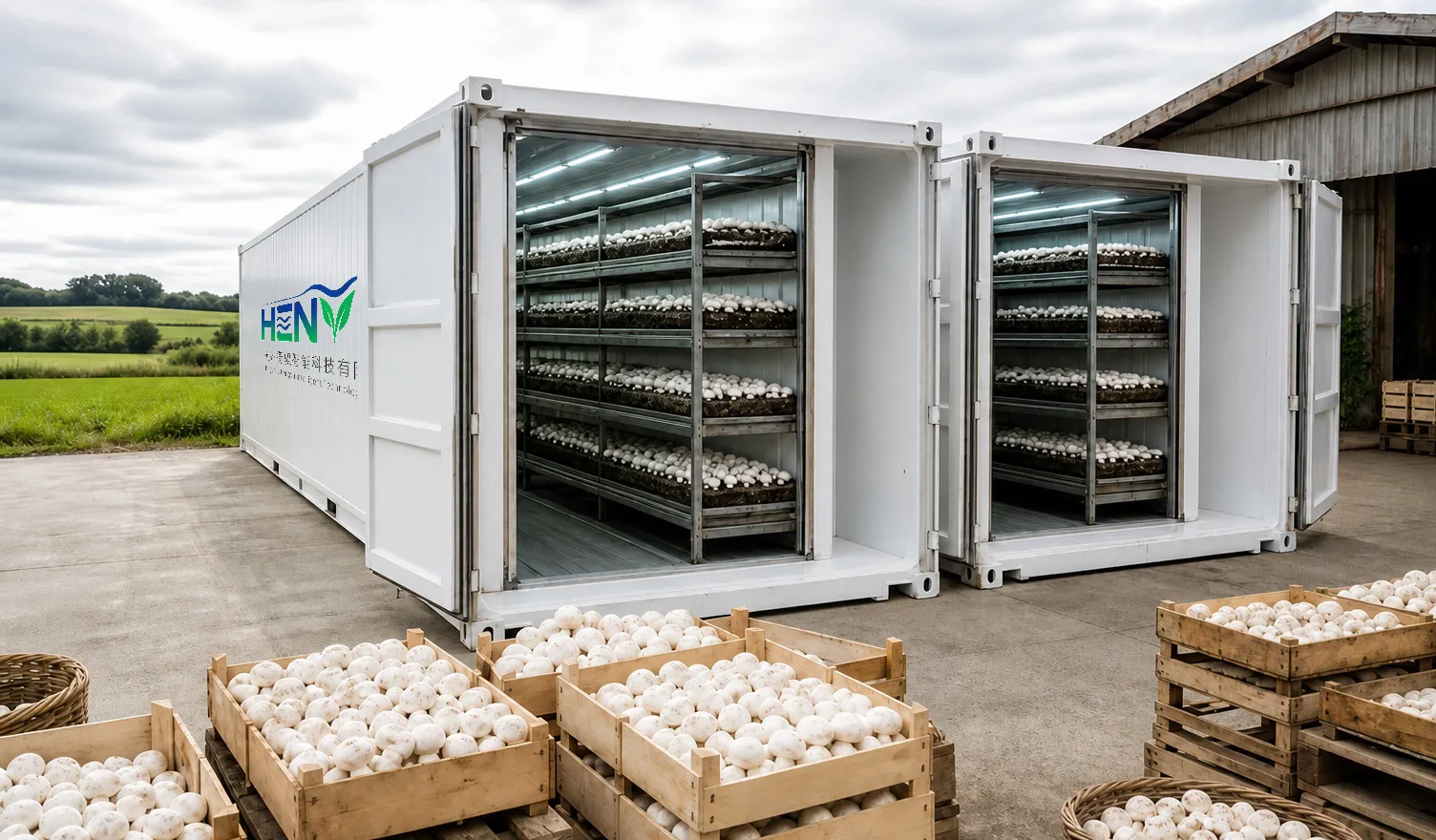
The economics favor short-cycle, high-value crops. Leafy greens, culinary herbs, and microgreens mature in three to five weeks, allow many turns per year, and command premium prices when fresh and local. Specialty mushrooms fit the same logic, since they are high-value and can be grown with distinct environmental control.
Fruiting crops such as tomatoes and peppers are generally poor fits because their light and space requirements are large relative to the value added, and greenhouse production is more cost-effective. The general rule is that container economics depend on revenue per unit of vertical growing space per unit of time, so fast-turn, premium-price crops win.
Cost Structure
Container farm costs fall into capital and operating categories. Capital includes the container and its fit-out: insulation, racks, lighting, HVAC, irrigation, controls, and electrical service. Operating costs are dominated by electricity for lighting and cooling, followed by labor, nutrients, and consumables. Energy is the largest single operating expense in most installations, which is why efficiency measures — high-efficiency LEDs, tight envelopes, variable-speed equipment, off-peak scheduling — have an outsized effect on profitability.
Labor per unit of produce tends to be higher than field agriculture, but automation and scale within a container can reduce it substantially. The container's compactness means that one operator can service many growing square meters, but the sealed environment means failures are not self-correcting, so labor must include monitoring and maintenance, not just planting and harvesting.
Comparison with Greenhouses and Vertical Farms
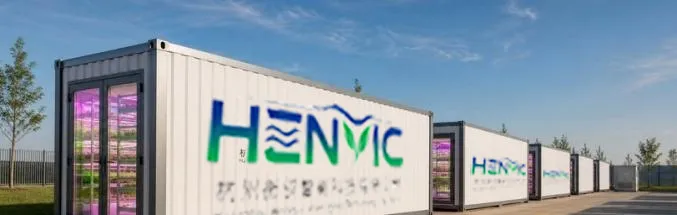
Container farms occupy a middle ground. They are cheaper and faster to deploy than purpose-built vertical farms, and more controllable and relocateable than greenhouses. Compared with greenhouses, they deliver year-round consistency and independence from climate but at higher energy cost per unit of production. Compared with large vertical farms, they sacrifice economy of scale for modularity and lower capital entry. The right choice depends on the operator's capital, market, and risk tolerance.
Food Safety and Traceability
Because container farms are sealed and controlled, they can achieve excellent food safety — but the closed environment also concentrates risk if hygiene fails. Pathogenic contamination in a recirculating system can spread across a crop quickly. Operators therefore implement robust hygiene protocols, water treatment, sanitation between crops, and traceability systems that document climate, irrigation, and harvest data. Traceability is a market advantage as much as a safety requirement: container produce can be documented from seed to shelf with a completeness field agriculture rarely achieves.
Sustainability Claims and Evidence
Container agriculture is frequently promoted on sustainability grounds, and the claims deserve scrutiny. Water use is genuinely low, often 90% below field irrigation. Land use is compressed, and freight distance can be nearly eliminated in urban settings. Pesticide use can be minimal because the environment is sealed, reducing or eliminating chemical inputs.
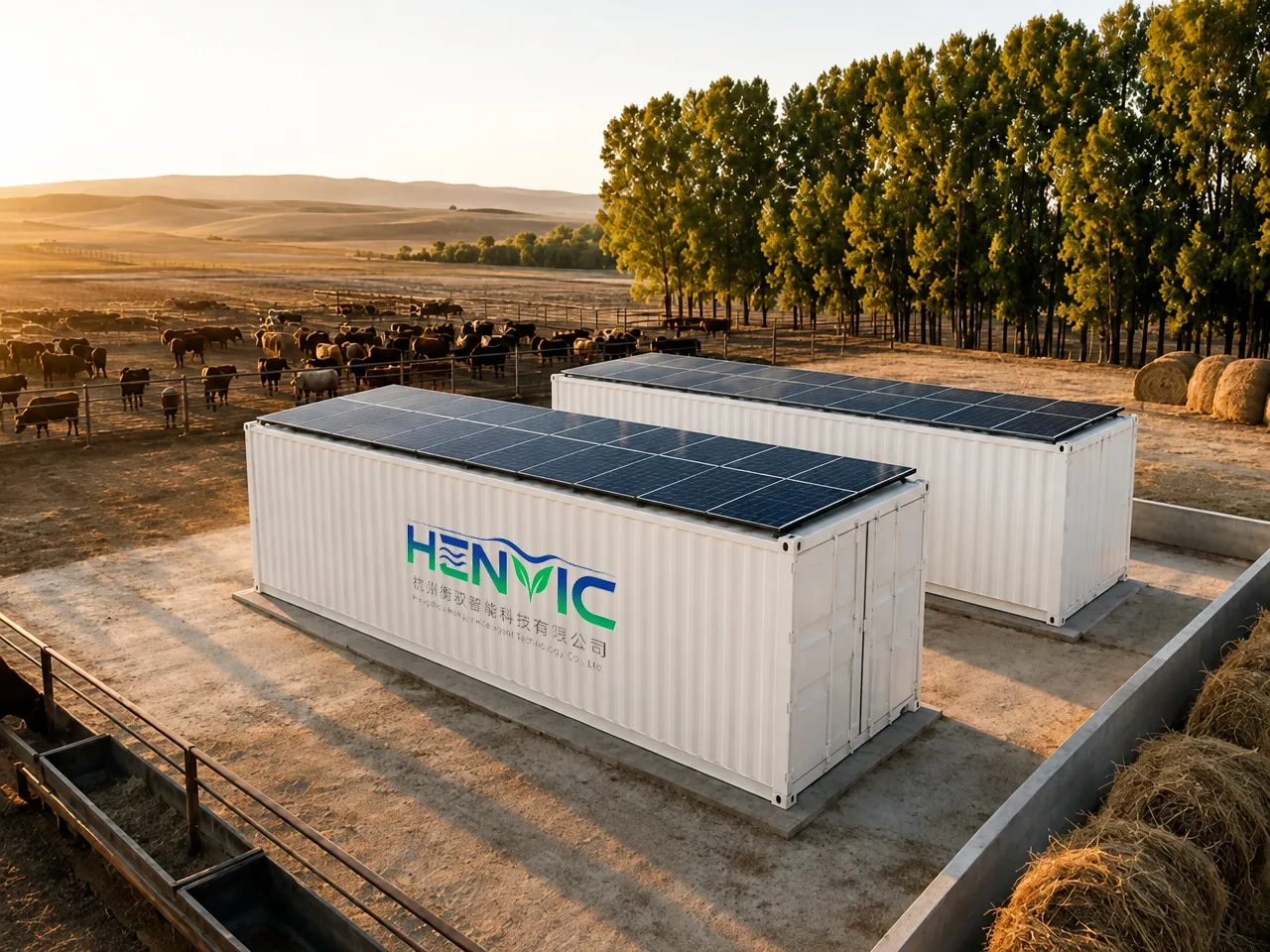
The qualified claim is energy. If the electricity powering lights and cooling comes from fossil fuels, the carbon footprint per kilogram of produce can exceed that of field-grown equivalents, even accounting for transport. The sustainability case for container agriculture therefore depends heavily on the local electricity mix and on energy efficiency. Operators pursuing genuine environmental benefit increasingly pair containers with renewable power, heat recovery, and aggressive efficiency measures.
Technology Trends
Several trends are reshaping the field. LED efficiency continues to improve, lowering both lighting energy and cooling load. Advanced controls with machine learning move toward model-predictive climate and irrigation management, tuning conditions to each crop and stage. Robotics and automated handling reduce labor for seeding, transplanting, and harvesting. Modular, stackable container systems allow capacity to grow incrementally, and standardized components make fleet management practical. On the biological side, spectral recipes and controlled-stress techniques are being used to enhance nutritional content and flavor, turning the container into a quality-engineering tool rather than just a production box.
Future Directions
The long-term trajectory points toward tighter integration of the technologies described in the earlier articles: climate, irrigation, lighting, and automation converging under a single intelligent control layer, with standardized, interoperable modules deployable almost anywhere. Whether container agriculture becomes a significant share of global food production is uncertain — its cost structure limits it to high-value crops and premium markets — but as a platform for local, high-quality, year-round production, it has a durable place.
Conclusion
Container agriculture succeeds when it is treated as what it is: a controlled-environment industrial production system optimized for specific high-value crops in specific markets. Its strength is control, proximity, and consistency; its constraint is energy and capital cost. Operators who match crop, technology, and market carefully, and who instrument and automate aggressively, can build viable businesses. Those who treat the container as a novelty will find that the physics and the economics do not negotiate.