1. Introduction
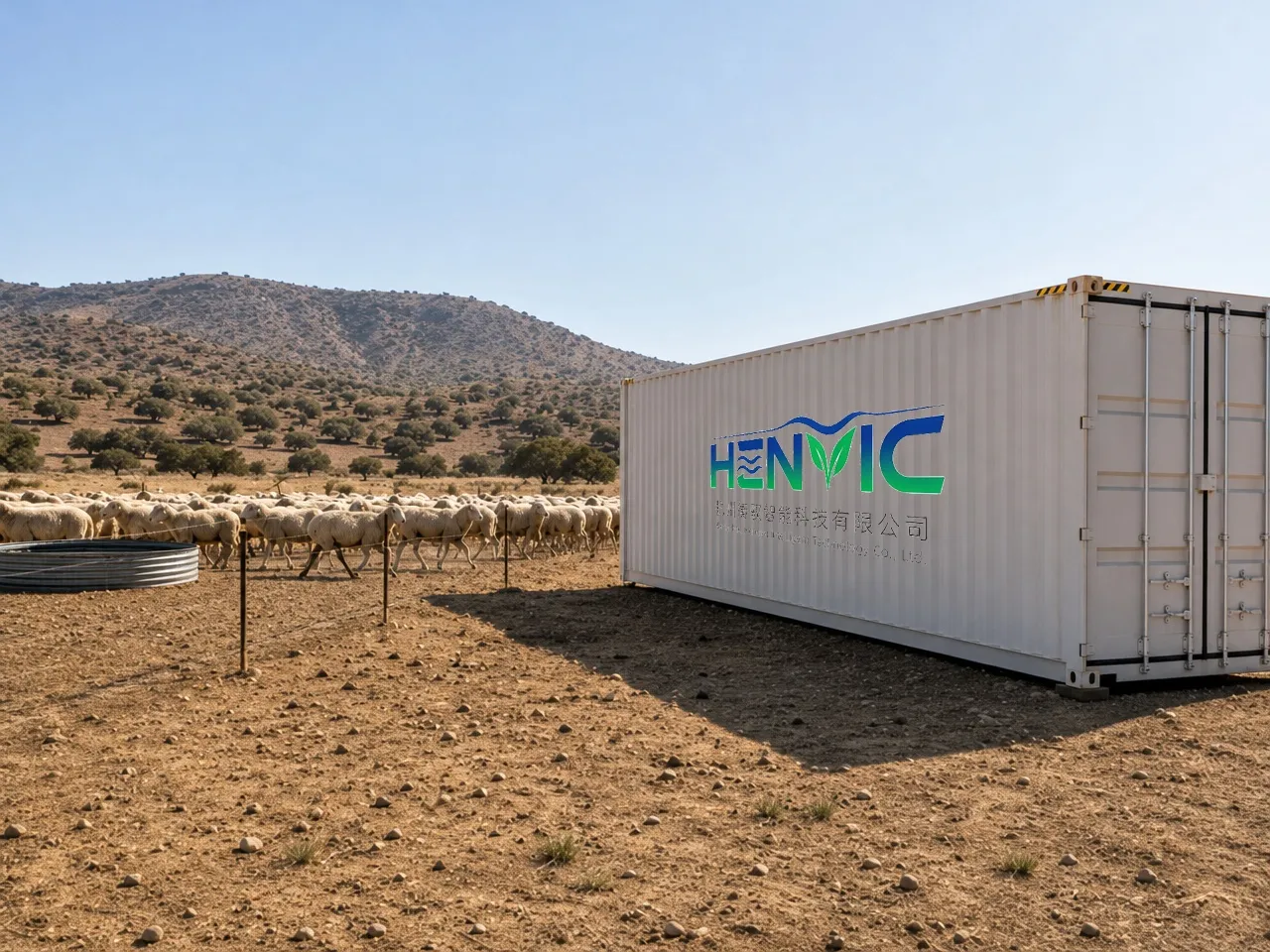
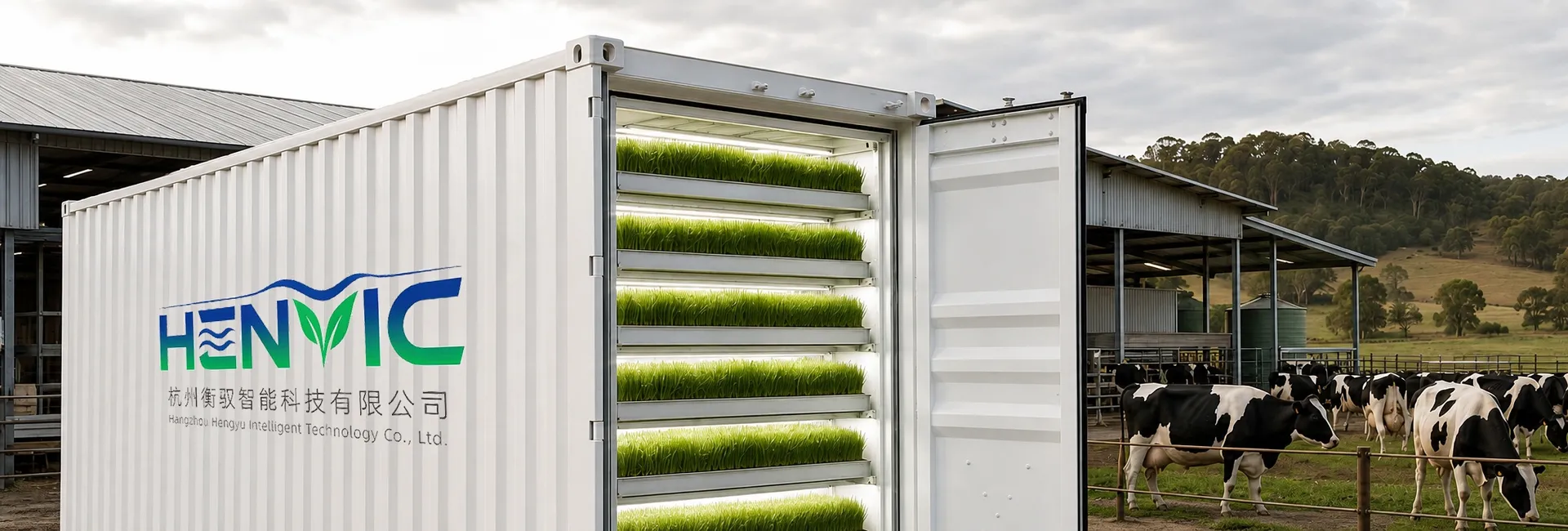
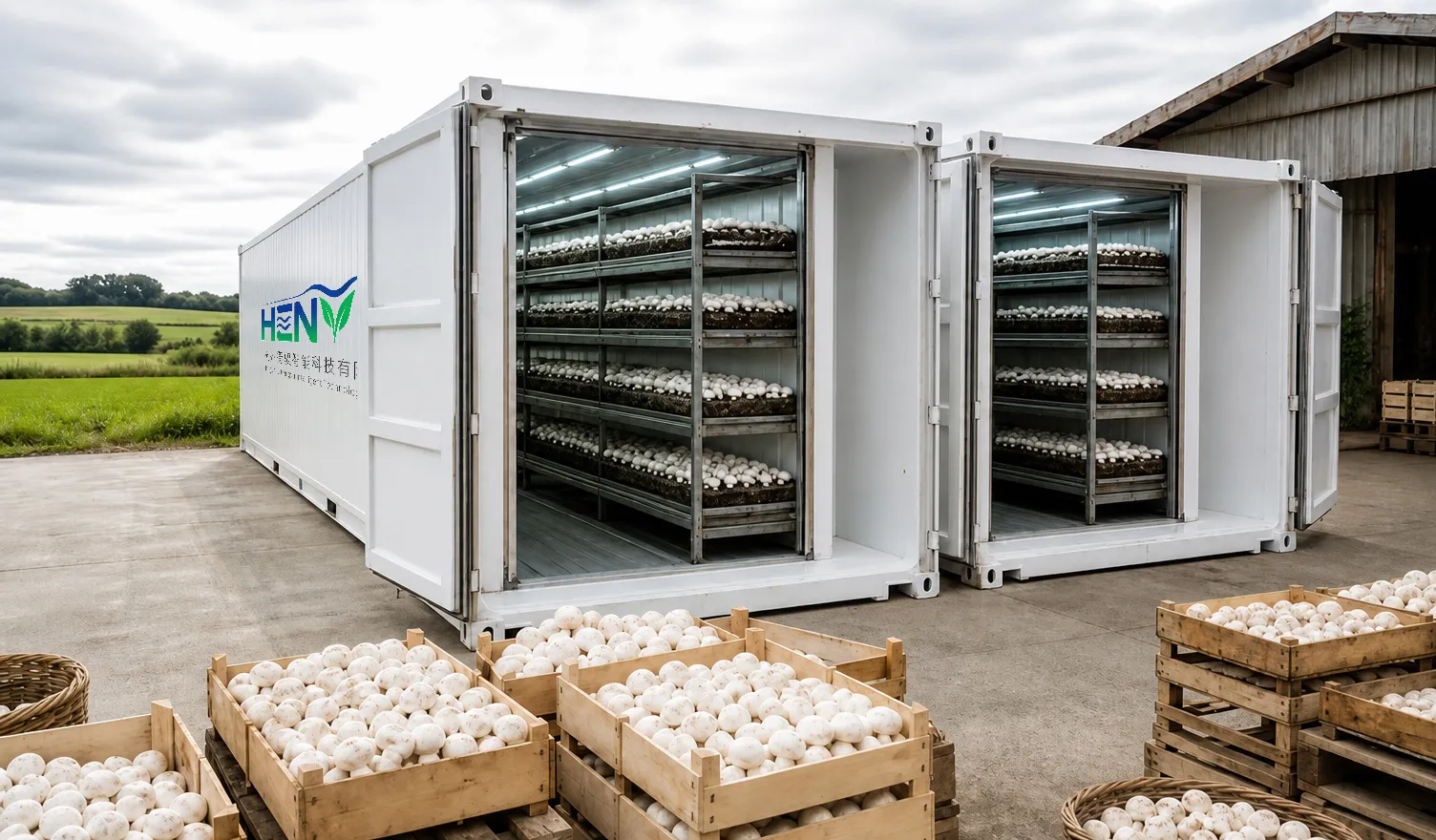
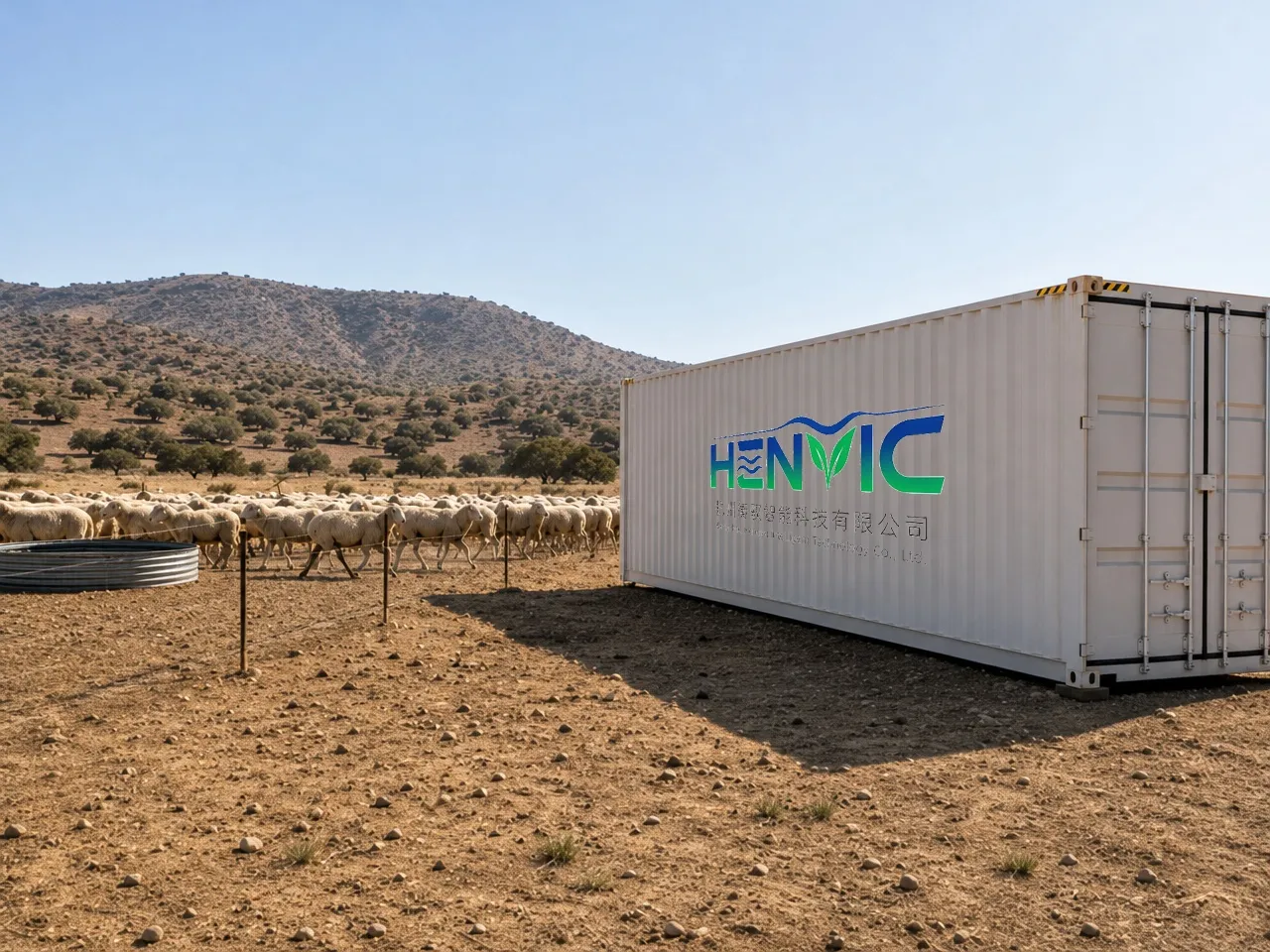
A smart cultivation container is a standard shipping container retrofitted into a fully controlled-environment plant factory — a sealed, sensor-rich, software-driven unit that grows crops independent of soil, season, weather and geography. As urbanization shrinks arable land and climate volatility disrupts conventional field farming, the container plant factory has become the most pragmatic form of vertical farming: it packages the precision of a laboratory growth chamber into a shippable 40-foot steel box that can be parked on a rooftop, a farmyard, a desert outpost or a hospital courtyard, and be producing leafy greens within days of arrival. One such unit, configured with ten-tier cultivation shelves, can hold roughly 2,000 lettuce plants and yield about 150 kg of vegetables per square metre per year — more than 50 times the production of an equivalent open-field area.
2. The Crop Environment: Four Controlled Dimensions
Plants in a container plant factory grow inside a sealed thermal envelope lined with insulation, so the interior climate is fully decoupled from the outside world. Four parameters govern everything.
Light replaces the sun entirely. Unlike solar gain through greenhouse glass, LED arrays deliver exactly the intensity and spectrum the crop needs: dimming from 0 to 2,000 μmol/m²/s of photosynthetic photon flux density (PPFD), with programmable spectral recipes — for example, a red-to-blue ratio of about 3:1 during seedling establishment and 1:1 during the vegetative growth stage — and light cycles set by photoperiod, typically 16–18 hours per day for leafy greens.
Temperature and humidity are held within tight bands, often within ±0.5 °C and ±3% relative humidity. Leafy greens generally fruit at... more precisely, they grow best at 18–22 °C daytime air temperature with cooler 12–15 °C nights, at 60–80% relative humidity. Industrial-grade sensors feed controllers that modulate HVAC, isenthalpic humidification and condensation dehumidification in real time.
CO₂ is managed actively. A bidirectional ventilation system paired with a CO₂ generator holds ambient concentration at 800–1,200 ppm — several times atmospheric levels — which can raise photosynthetic efficiency by around 25% and directly translates into faster growth and higher biomass per unit of light energy.
Airflow replaces natural wind. Because the container is sealed and densely planted, oscillating fans and layered ventilation drive gas exchange at the leaf surface, preventing boundary-layer stagnation, localized heat pockets and fungal microclimates.
3. Hydroponic Systems: The Circulatory Core
The most common cropping paradigm inside container plant factories is hydroponics — soil-free cultivation in recirculating nutrient solution. Three architectures dominate.
DFT (deep-flow technique) keeps roots continuously immersed in a deep nutrient pool — deep tanks or channels hold the solution well below the plant canopy, buffering temperature swings and making the system robust and low-maintenance, ideal for commercial-scale leafy production.
NFT (nutrient film technique) films a thin nutrient stream continuously across the roots of plants packed along slightly inclined channels. It gives precise, uniform dosing per plant and is highly space-efficient, though roots can dry out quickly if flow is interrupted.
Aeroponics suspends roots in air and mists them periodically, maximizing oxygen availability and allowing very high-density stacking; it is more demanding on nozzle reliability and control logic.
Nutrient management is where the "factory" metaphor becomes literal. Sensors continuously monitor solution pH (targeted at 5.5–6.5) and electrical conductivity (EC, typically 1.2–2.5 mS/cm for leafy greens), and electromagnetic valves re-balance nitrogen, phosphorus and potassium ratios automatically. Closed-loop design recovers roughly 90–95% of the water — one commercial installation in Dubai reported water consumption at just 5% of traditional agriculture — and UV sterilization plus nanofiltration keeps the recirculating solution pathogen-free.
4. Vertical Architecture and Yield Density
The container's ceiling height and structural strength are ideal for multi-tier shelving. Ten-layer racks divide the interior into a stack of production decks, each independently lit, irrigated and ventilated; multi-tier arrangements multiply yield per square metre of floor area by an order of magnitude. Because crops no longer share a single ground plane, diseases that spread through soil are eliminated from the equation, and the entire volume can be operated under near-sterile conditions. Crop cycles compress accordingly: lettuce typically goes from transplant to harvest in 30–35 days, microgreens in 7–14 days, and the unit can run 15–20 successive crops per year, continuously.
5. The Intelligence Stack: Sensors, IoT and AI
What elevates a container from a greenhouse to a "plant factory" is its layered control architecture, typically three tiers deep.
Sensing tier. Hundreds of sensors — light intensity and spectrum, air temperature and RH, CO₂ concentration, nutrient pH, EC and dissolved oxygen, water temperature — stream data continuously; commercial units commonly deploy more than 200 monitoring points per container.
Control tier. Edge controllers execute closed-loop regulation: humidistats ramp humidifier output when RH drifts; CO₂ controllers modulate ventilation and CO₂ injection; light schedules and nutrient dosing follow programmed recipes. From sowing through transplant to harvest, the workflow can be fully automated.
Monitoring and AI tier. Cloud gateways push data to dashboards on PC and mobile for remote supervision of multiple containers from anywhere. Beyond alarms and trend curves, the deeper capability is decision intelligence: digital-twin crop growth models predict yields and disease risk (with reported error below 5%), and reinforcement-learning algorithms tune lighting strategies — one reported deployment cut LED energy to about 0.15 kWh per kilogram of vegetables. AI effectively lets the container learn its own crop across flushes.
6. Applications and the Energy Balance
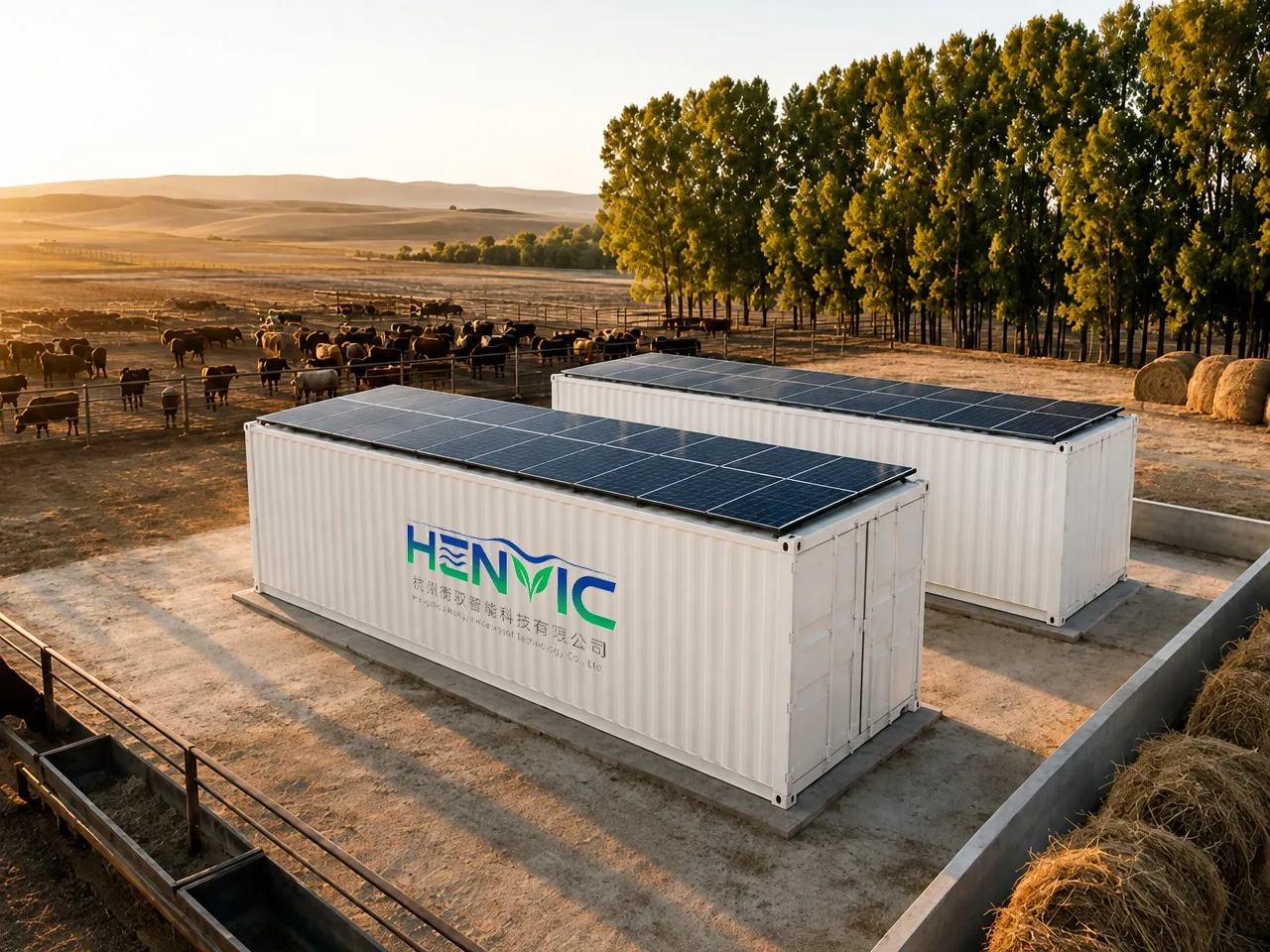
Container plant factories have proved their value in scenarios where conventional agriculture cannot: desert and hot-climate production (growing EU-standard lettuce at 55 °C ambient), urban rooftop and community supply, disaster and emergency response (a mobile vegetable base deployable within 48 hours), remote and off-grid sites powered by onboard solar plus storage, and research — accelerating breeding cycles (shortening rice from 120 to 60 days in controlled experiments) and stress-testing crops under simulated drought or salinity.
Energy remains the central economics problem. Climate control, lighting and humidification run continuously, and although insulated envelopes, secondary condensation dehumidification and smart light scheduling have pushed energy intensity down to roughly 0.3 kWh per kilogram of leafy greens — about 40% less than a conventional greenhouse — the running cost still depends heavily on local electricity prices and renewable-plus-storage configurations. Capital cost per square metre also exceeds greenhouse construction, so the economic case rests on high-value crops, high yield density and locational advantage.
7. Conclusion
The smart cultivation container, in its plant-factory form, is a shippable control system rather than a building. It converts light, temperature, humidity, CO₂ and nutrients into precisely measured inputs, and converts data into predictable output — 2,000 lettuce plants per box, 15–20 crops per year, water use at a fraction of field agriculture, and production that can begin anywhere a container can be parked and powered. Its promise is not that it will replace open-field agriculture, but that it makes factory-grade precision available wherever a 40-foot steel box can be delivered.