1. Introduction
Mushrooms are valued for their nutritional richness, medicinal properties, and economic worth. Traditional cultivation faces challenges such as environmental instability, contamination, and low yields. Mushroom cultivation chambers provide a controlled, efficient solution. This article details their technical composition, features, and applications in mushroom production.
2. Technical Composition of Mushroom Cultivation Chambers
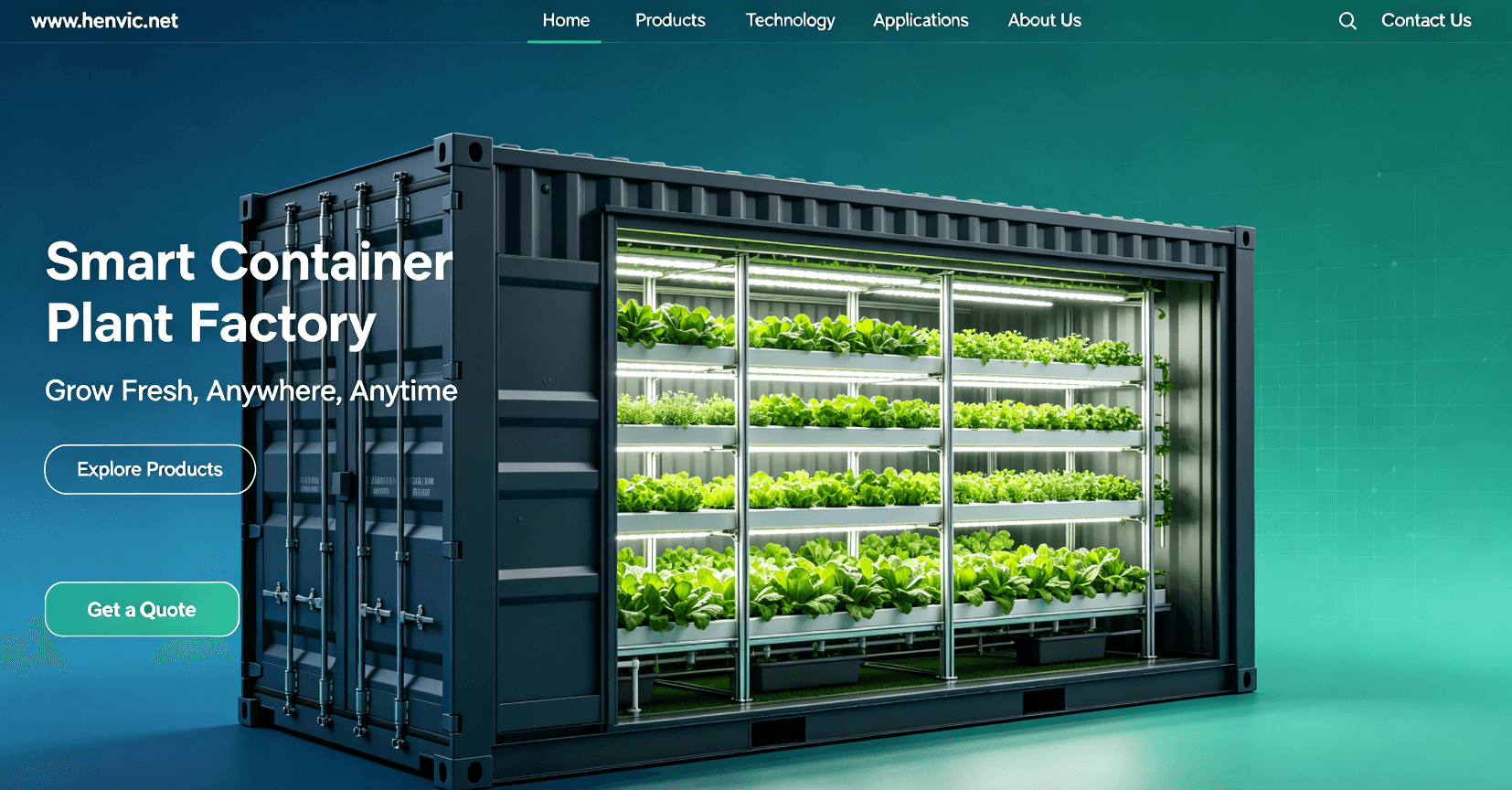
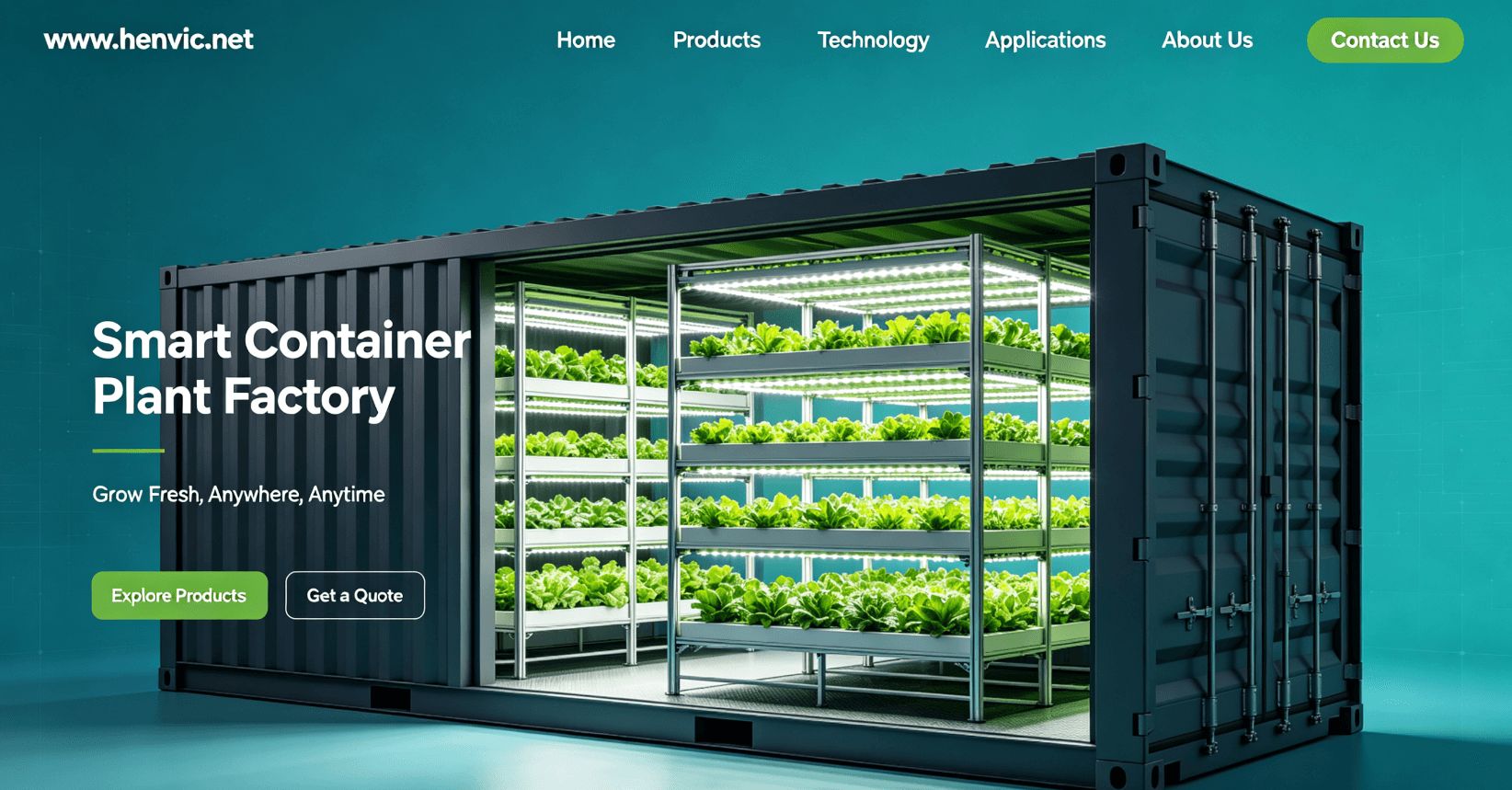
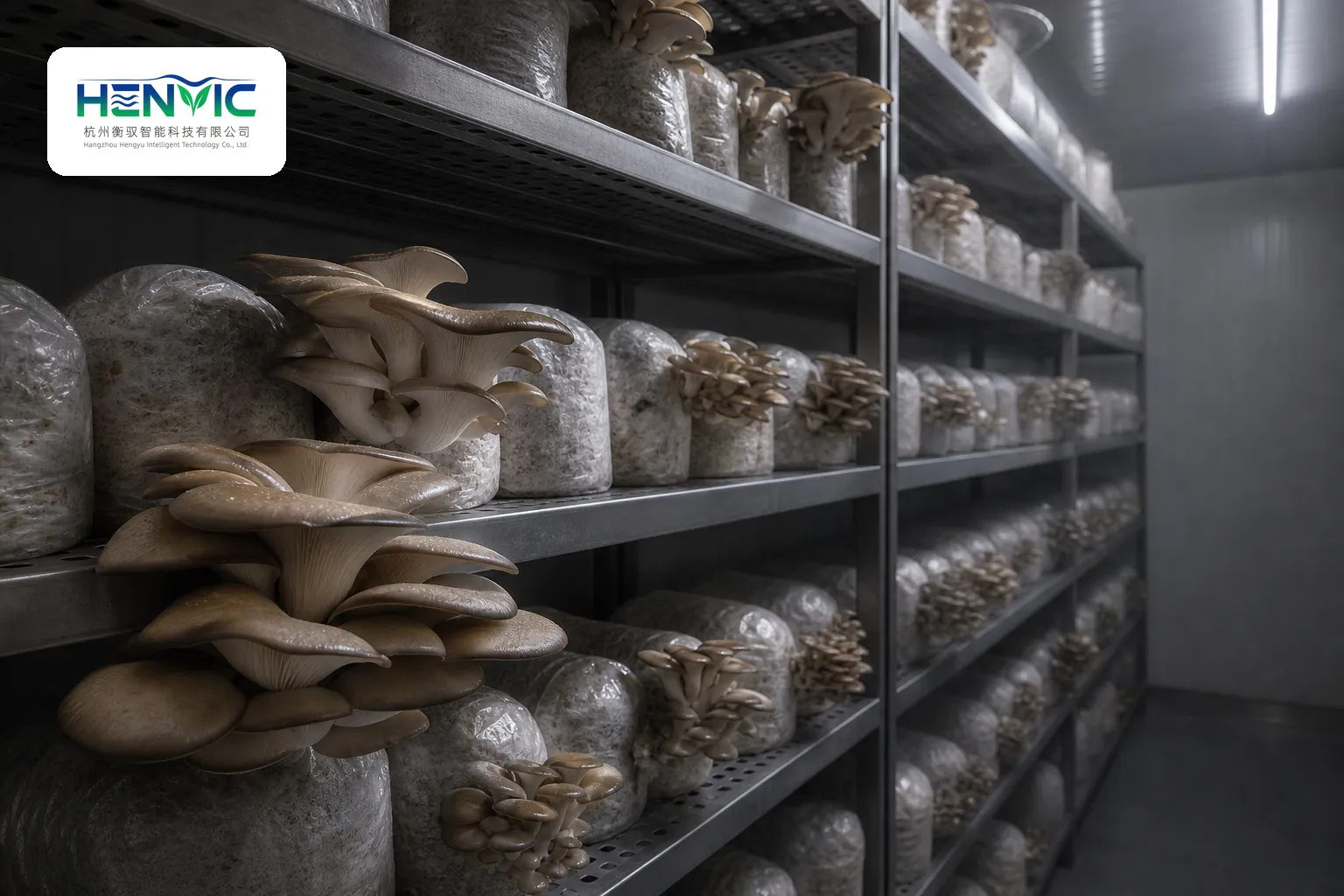
Mushroom cultivation chambers integrate multiple technical systems to create ideal growth conditions, ensuring safety and efficiency.
2.1 Environmental Control System
This system maintains a stable microclimate for mushroom growth.
- Temperature Control: Insulated chambers and thermostatic devices maintain consistent temperature based on growth stage. Cooling and heating modules keep temperature within a set range.
- Humidity Management: Humidifiers and sensors regulate air humidity. Closed air circulation prevents moisture loss, ensuring optimal humidity for fruiting.
- Air Circulation and Purification: Ventilation systems control fresh air intake; HEPA filters remove contaminants, reducing disease risks.
2.2 Sterilization and Disinfection System
To eliminate pathogens, chambers use UV and sterilization devices for routine disinfection of surfaces, air, and tools, maintaining a sterile environment.
2.3 Intelligent Monitoring and Control System
AI and sensor technology enable real-time monitoring of temperature, humidity, gases, and light. The system automatically adjusts parameters, stores data, and supports remote access for efficient management.
2.4 Cultivation Support System
- Substrate Management: Substrate is prepared, sterilized, and supplied evenly to support fungal growth.
- Illumination System: Adjustable LED lights mimic natural light cycles, with spectra optimized for mushroom development.
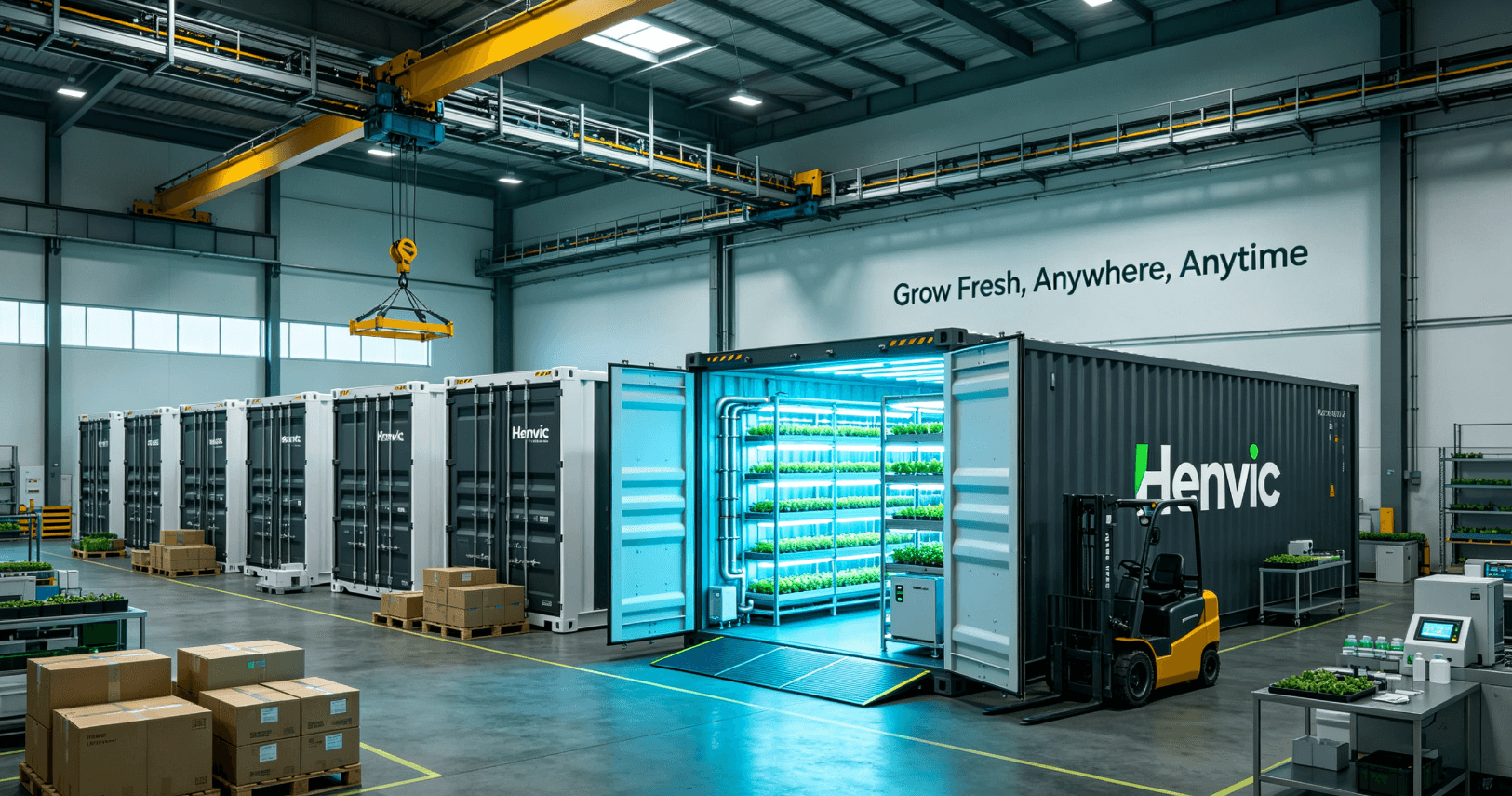
- Material Handling: Automated racks and conveyors optimize space and reduce manual labor.
2.5 Structural Design
Chambers use anti-corrosion, moisture-resistant materials for hygiene. Sealed designs and compact structures enhance stability and installation flexibility.
3. Core Features
Mushroom cultivation chambers offer distinct advantages over traditional methods.
- Stability: Precise environmental control ensures consistent yields and quality.
- Safety: Strict sterilization minimizes contamination risks.
- Sustainability: Water and nutrient recycling reduce waste.
- Flexibility: Suitable for small to large-scale production with adjustable settings.
4. Application Scenarios
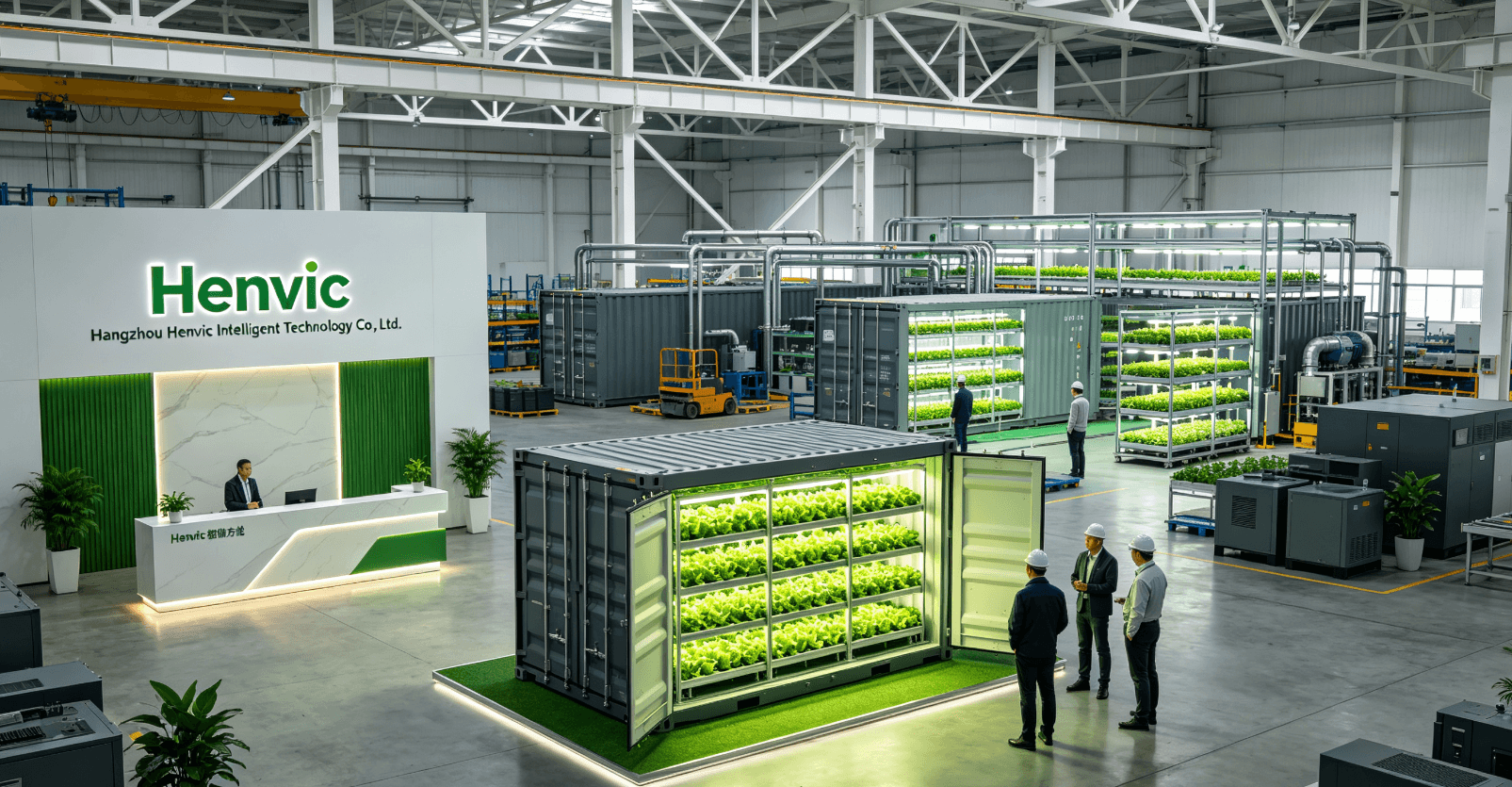
Chambers are used in commercial mushroom farms for high-yield fruiting-block cultivation, in research for fungal studies, in urban agriculture, and in eco-friendly production for culinary and medical mushrooms.
5. Future Trends
Future chambers will integrate AI for adaptive growth optimization. Energy-efficient designs and advanced materials will enhance performance. Connectivity will enable integration with broader agricultural systems.
6. Conclusion
Mushroom cultivation chambers transform mushroom production by providing stable, safe, and efficient growing environments. They address traditional farming challenges and adapt to modern agricultural needs, supporting sustainable, high-quality mushroom cultivation.