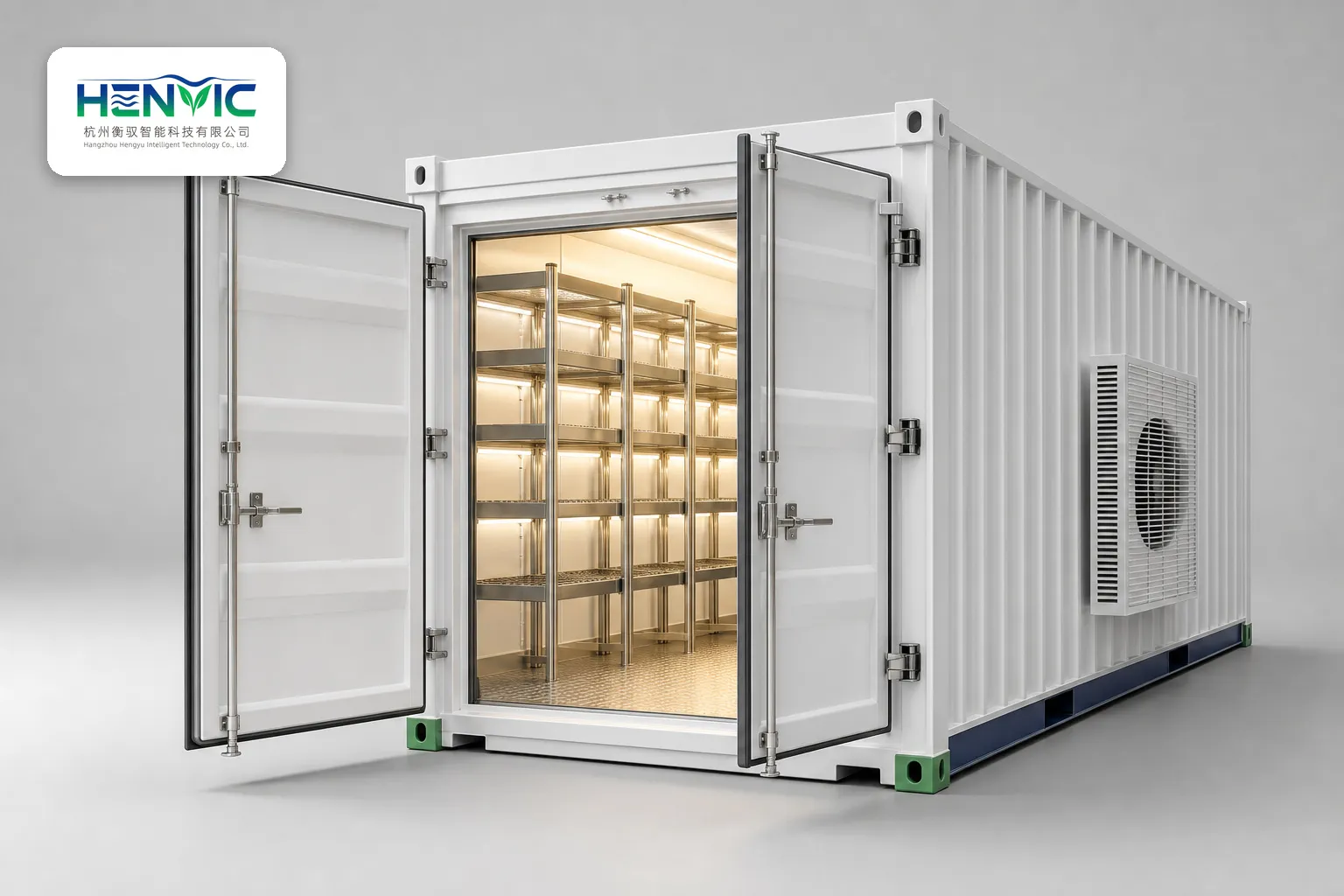
Shiitake mushrooms (Lentinula edodes) stand out as one of the most widely cultivated and economically significant edible fungi globally, renowned for their rich flavor, abundant nutritional value, and remarkable medicinal properties. Conventional open-field shiitake cultivation has historically opening itself to external climatic extremes, pest infiltration, and seasonal constraints, significantly limiting yield consistency and expansion potential. In response to modern agricultural demands, containerized cultivation has emerged as a cutting-edge paradigm that integrates environmental control, standardized production, and rigid biological safeguards. Below are the core technologies and operational principles that define this modern, efficient shiitake growing system.
1. Core Concept of Containerized Shiitake Cultivation
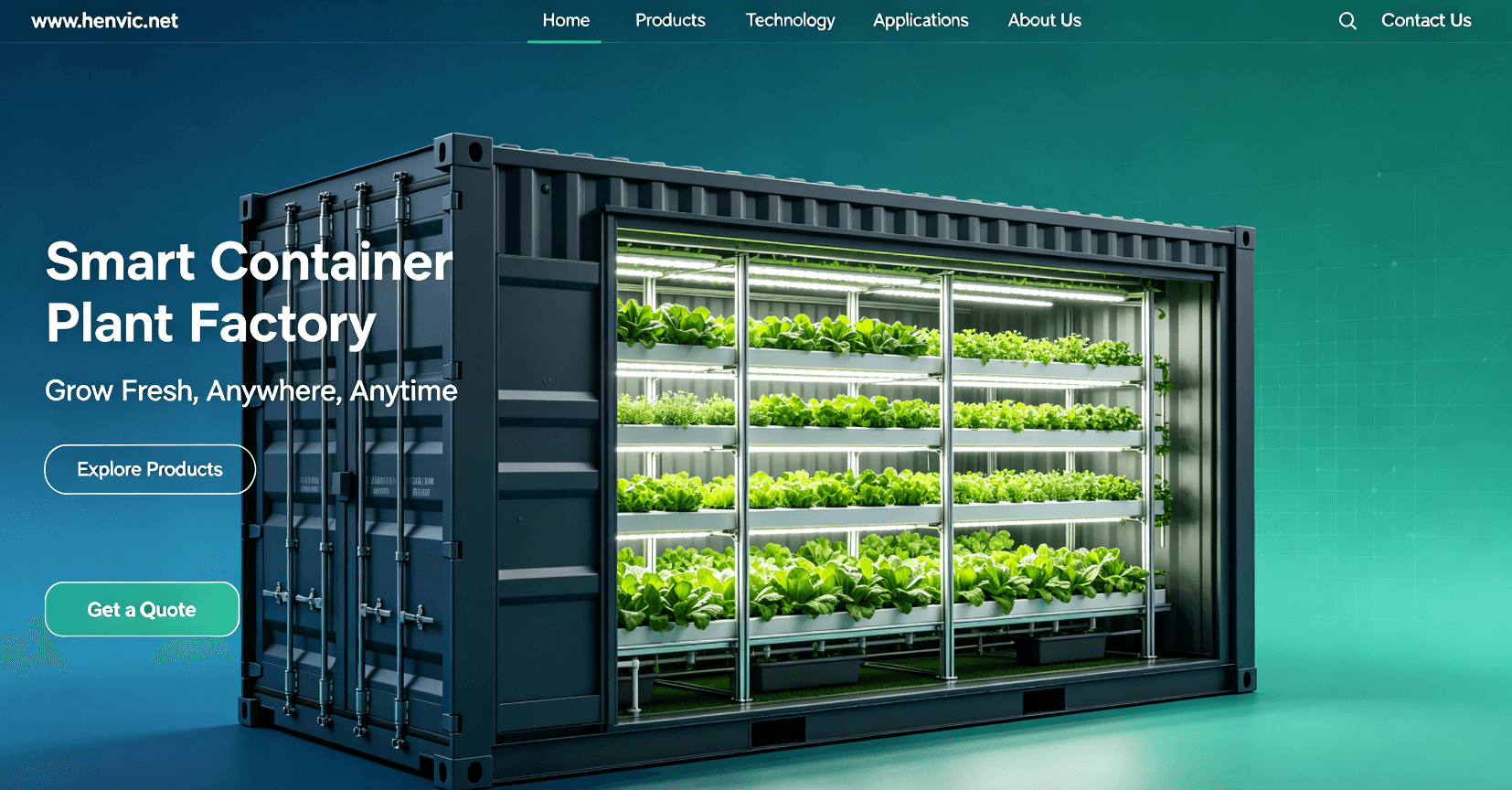
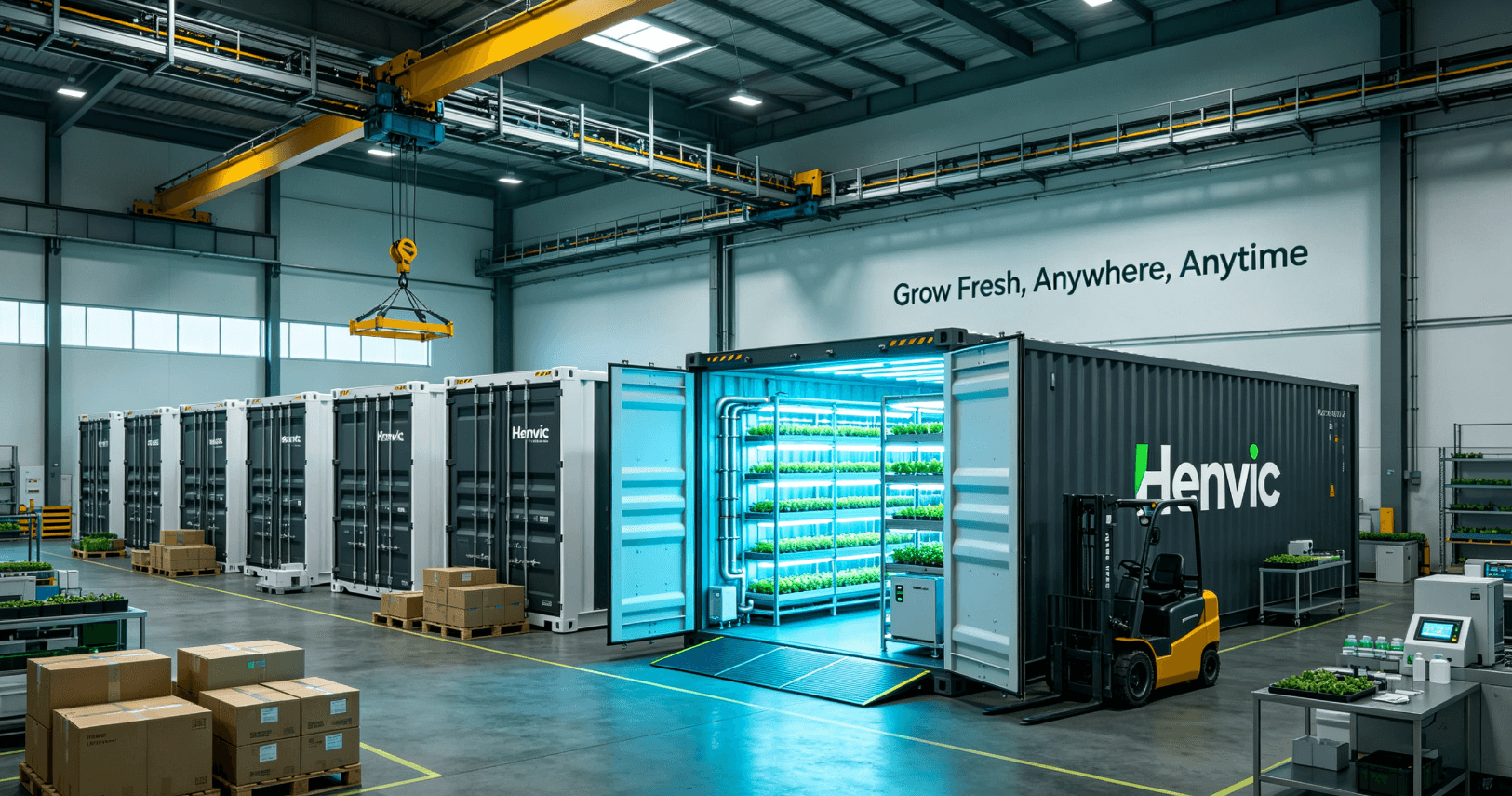
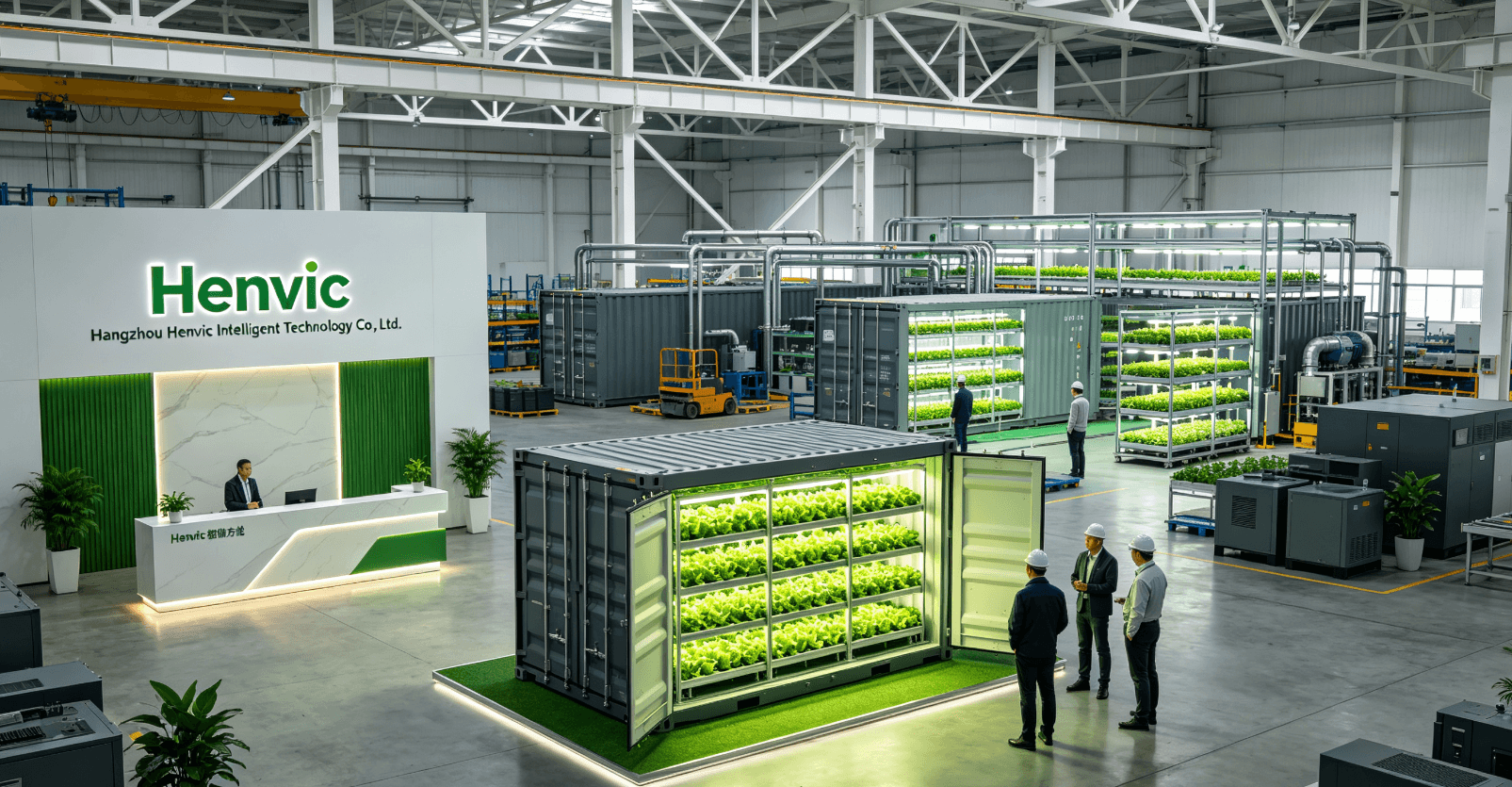
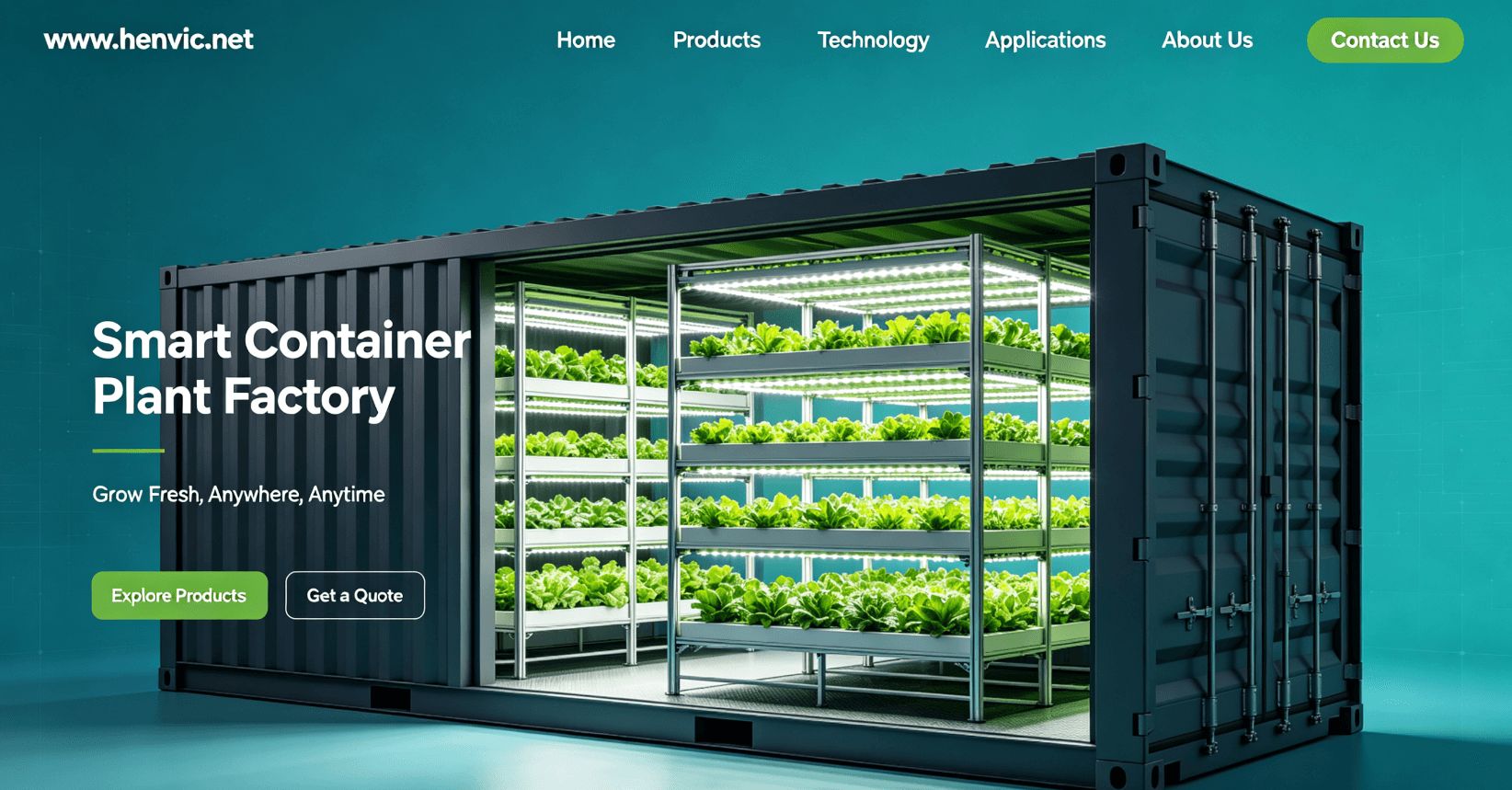
Containerized shiitake farming fundamentally shifts the paradigm from traditional soil cultivation to a tightly controlled, enclosed greenhouse-in-a-box model. The system transforms standard shipping containers, specialized modular farms, and customized insulated enclosures into independent biological reactors. By isolating the crucial fruiting environment internally, this method neutralizes unpredictable weather, eliminates open-air biological contaminants, and stabilizes the entire cultivation lifecycle regardless of seasonal boundaries, securing continuous production year-round.
2. Core Technologies Underpinning the System
The exceptional efficiency of containerized shiitake cultivation is anchored in a sophisticated matrix of integrated technologies, each performing specific roles in the ecosystem.
A. Precision Environmental Control Technology
Shiitake mycelium and fruiting bodies react profoundly to minute environmental shifts. The modern shuttered container integrates advanced HVAC units, humidification safeguards, and circulation fans to sustain a continuous internal atmosphere.
- Temperature Regulation: Industry standards maintain the active mycelium within 24–27°C, subsequently reducing temperatures to 10–18°C to initiate fruiting.
- Relative Humidity Regulation: The fan-assisted misting circuit calibrates ambient moisture, holding humidity between 85% and 90%. This measure visibly preserves tender fruiting bodies, preventing dehydration or decay.
- Air Circulation: Positively-pressured, multi-stage HEPA ventilation displaces stagnant air, directly distributing newly introduced oxygen to the developing bodies while expelling excess volatile gases.
B. Customized LED Illumination & Photoperiod Algorithms
Unlike green leafy vegetables, fungi lack chlorophyll and derive energy solely from decaying organic matter.
- Spectral Architecture: Dual-wavelength LED modules emit targeted wavelengths—often moderate blues for primordial formation and soft reds to stimulate early cap expansion.
- Programmed Photoperiod: Sensors trigger precise light cycles, generally delivering 10–12 hours of diffused light to optimize mycelial maturation before initiating mature fruiting stages.
C. Hydroponic Substrate and Medium technologies
The conventional reliance on dense wooden logs has increasingly been replaced by modern medium formulations customized for scaled container production.
- Substrate Selection: The foundation primarily relies on selected hardwood sawdust, agricultural byproducts such as rice husks andسطح wheat bran, adding vital minerals and nitrogen naturally.
- Precise Formulation & Treatment: Before loading, professionals accurately blend substrates with essential elements such as calcium carbonate and water. To eliminate foreign competitor fungi, upgraded treatment and sterilization requirements sequester the medium in an entirely sterile biological state.
- Safe Packaging: Advanced cultivation bags with breathable microfiltration vents safely contain the medium, enabling proper gas exchange while functioning as robust barriers against external bacteria and pests.
D. Automated Intelligent Surveillance
Operating a closed-loop ecosystem requires uninterrupted monitoring and automated adjustment capabilities. Integrated sensor layouts continuously stream real-time data covering internal temperature, relative humidity, carbon dioxide concentration, and optical conditions to a central management board. Pre-programmed regulatory functions autonomously modulate supplementary misting valves, ventilation speeds, and light brightness once system readings deviate from accepted parameters. This removes labor dependency and guarantees optimal growing conditions around the clock.
E. Integrated Pest and Disease Dynamics
The sealed container establishes a natural defense mechanism against severe airborne pests and invasive fungal threats. Despite this advantage, operators must maintain culture hygiene through strict sanitary protocols. Routine interior disinfection cycles—such as high-temperature treatment infrastructure—are performed before introducing sashes. Strict personnel protocols prohibit the entry of mold mites and stray spores. Inside the habitat, air purification systems actively strip harmful pathogens emitted from decaying materials, sustaining comprehensive behavioral isolation throughout every harvest phase.
3. Operational Framework and Life Cycle Management
The operational workflow of a containerized shiitake facility is carefully engineered to maximize harvest capacity and reduce downtime between batches.
Stage 1: Substrate Preparation and Sterilization
Raw aggregate materials are accurately measured, cut, and hydrated, then sealed within sterile bags. Advanced high-pressure steam sterilization eliminates all resident contaminants, providing the inoculated organism a completely sterile, nutrient-loaded foundation.
Stage 2: Precision Inoculation
Tiny forceps and automated spore injectors inject shiitake spore cultures into the prepared bags. The inoculated sachets are then carefully transferred into designated internal racks to maintain a clean environment. Once the containers are sealed, the interior rapidly establishes an isolated, contaminant-free chamber.
Stage 3: Mycelial Colonization
Money-powered environmental controllers maintain the first stabilization phase, typically supporting 24–27°C with low relative humidity. Over roughly 30 to 45 days, mycelium branches radially through the substrate, filling the bags with dense white webbing.
Stage 4: Induced Fruiting and Cap Formation
Cultivators deliberately shift the internal microclimate, intentionally lowering humidity and cooling the chamber by 6 to 10 degrees Celsius. This stress simulates natural autumnal conditions, actively signaling the mycelium to push out small buttons. As structures mature, technicians alter the lighting configuration, gradually expanding the cap structures. The regulators impose continuous misting to expand tissues without over-saturating the base.
Stage 5: Harvesting and Continuous Cycle
Trained harvesters or automated collecting arms gently remove matured specimens at the optimal harvest point, typically where the veil is just beginning to tear. Once the harvest concludes, staff initiate regeneration flows, replacing critical nutrients inside the container and resetting ventilation parameters. The system seamlessly launches the subsequent primordia cycle, achieving precise multiple-harvest yields without exhausting the substrate.
4. Unparalleled Advantages of Containerized Shiitake Farming
Implementing this modern framework yields distinct operational and financial benefits over conventional methods:
- Year-Round Reliability: The climate-tight enclosure eliminates seasonal boundaries, enabling continuous harvesting regardless of harsh winters.
- Enhanced Biosecurity: Positive airflow and structural seals block aerosol-borne pathogens, guaranteeing pure and reliable cultivation batches.
- Resource Optimization: Highly targeted water consumption and nutrient recycling significantly diminish overall operational footprint.
- Urban Integration: Containerized models allow local hyper-local production, materially reducing transit-related carbon pollution from rural-to-urban supply chains.
- Organic Consistency: Continuous atmospheric management removes the reliance on synthetic crop protectants, securing clean, organically compliant products.
5. Future Outlook
Containerized shiitake cultivation stands as a hallmark of sustainable, intelligent agriculture. By merging precise environmental manipulation, sterile substrate engineering, and smart automation protocols, this technology transforms irregular fungal cultivation into an industrially reliable practice. With significant investment in automation and dynamic sensing capabilities, this advanced container model will continuously introduce premium-quality shiitake mushrooms to global hyper-local markets, reinforcing both modern food security and agricultural efficiency.