I. Introduction: Redefining Leafy Green Production
Spinach is widely celebrated as a nutritional powerhouse, packed with vitamins, iron, and antioxidants. However, as a delicate leafy green with high water content, it is highly susceptible to wilting, mechanical damage, microbial decay, and rapid nutrient loss after harvest. Historically, spinach cultivation has relied heavily on open-field farming, leaving its yield and quality at the mercy of weather and seasons.
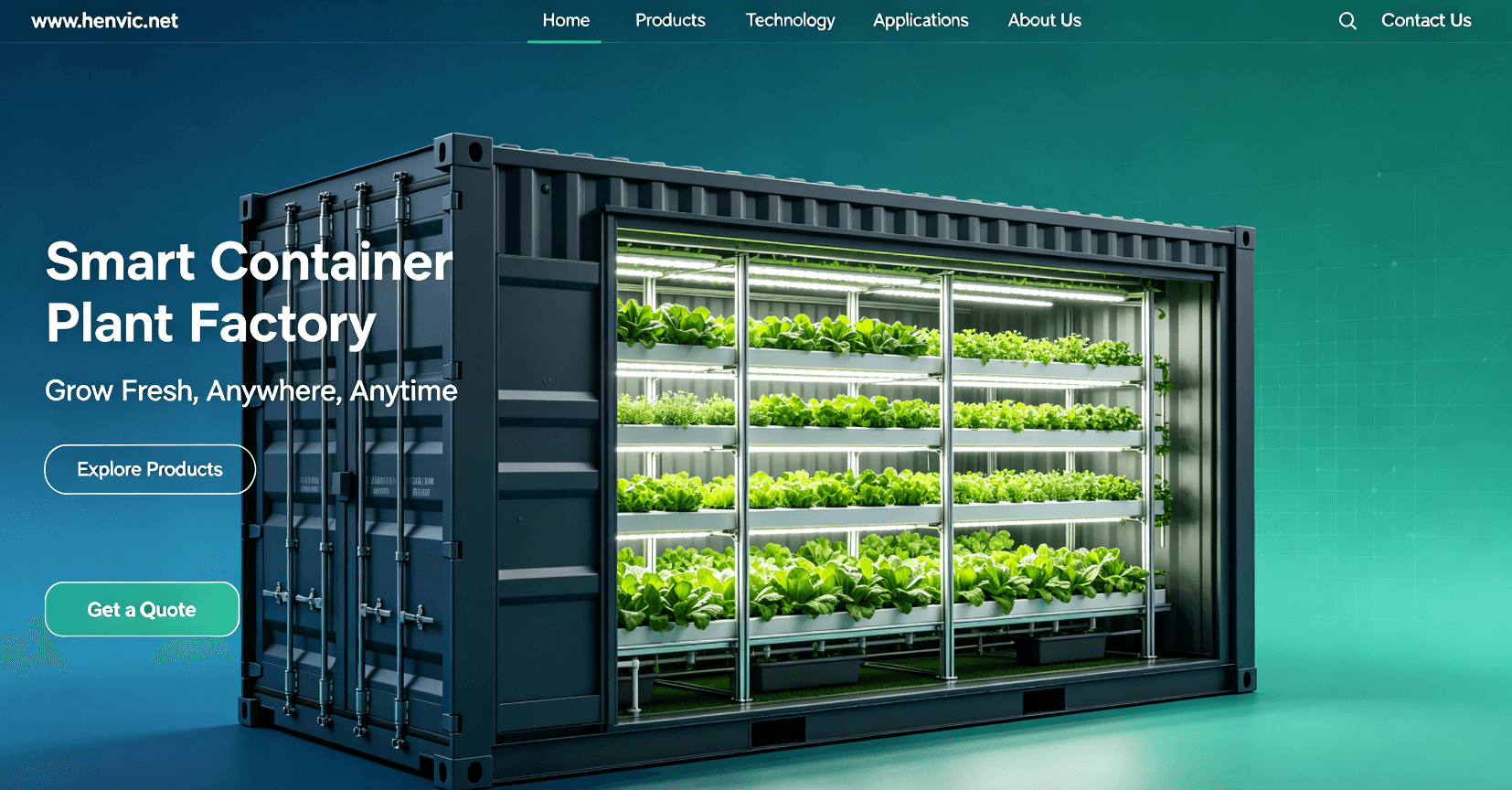
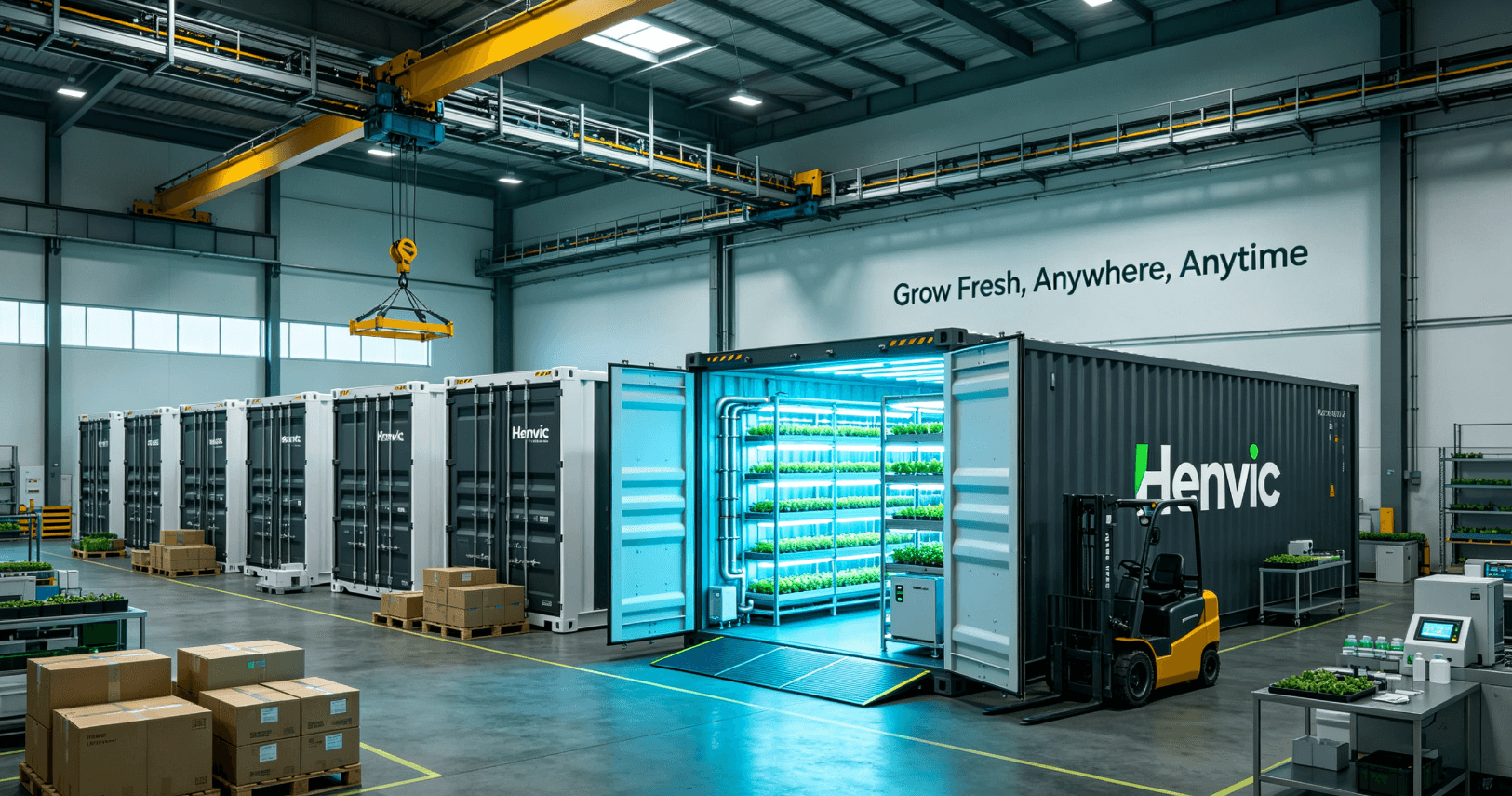
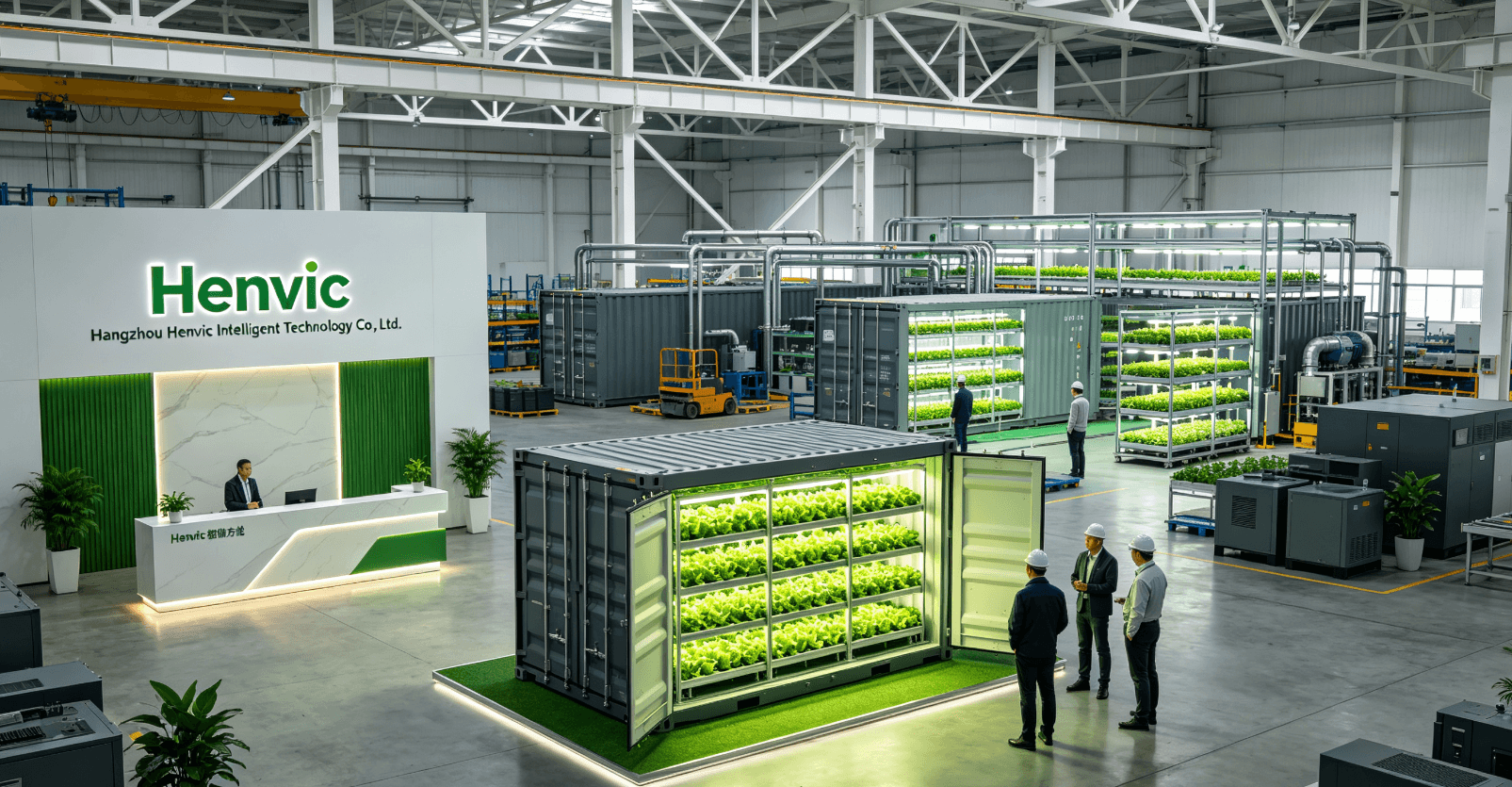
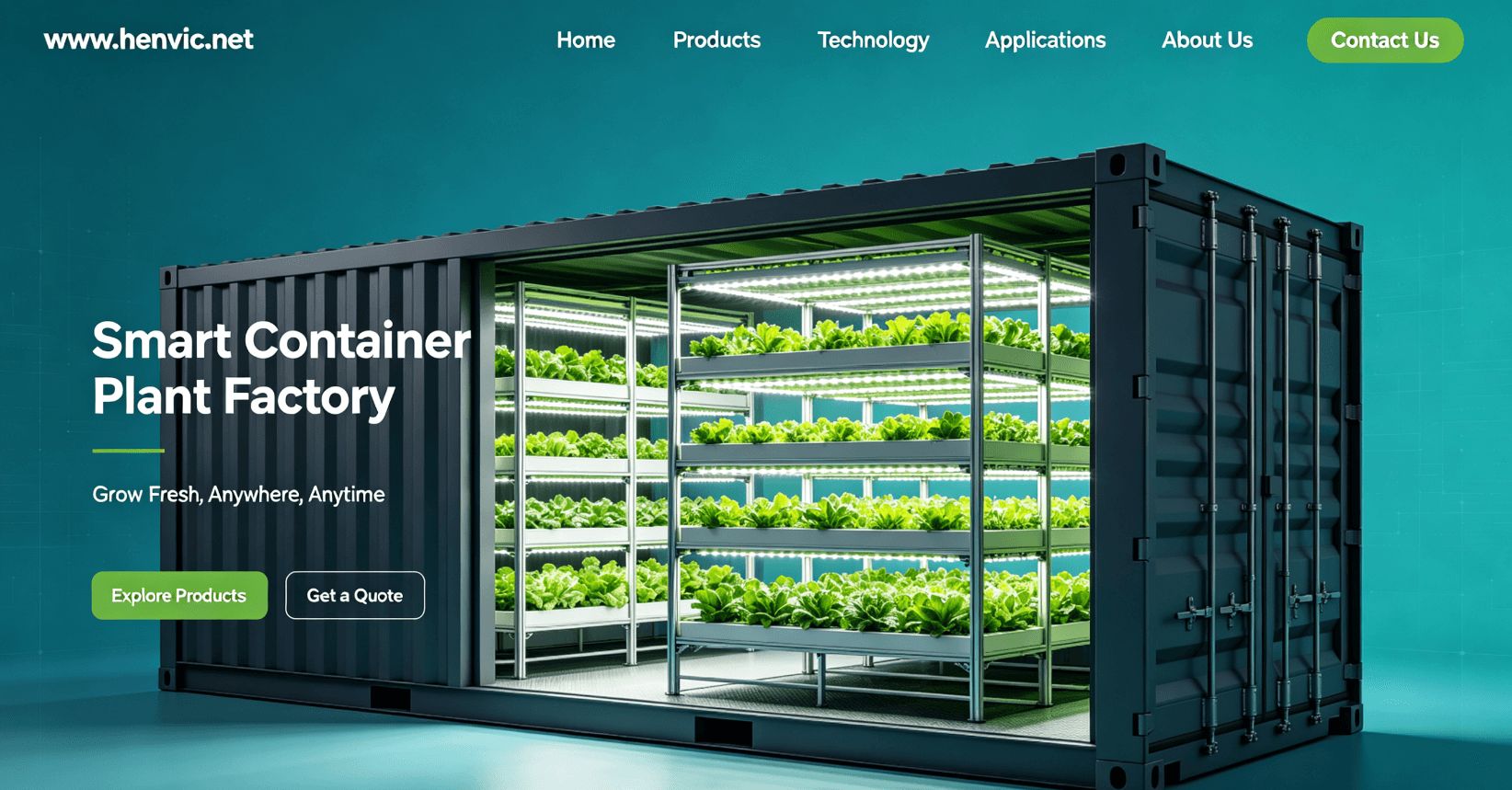
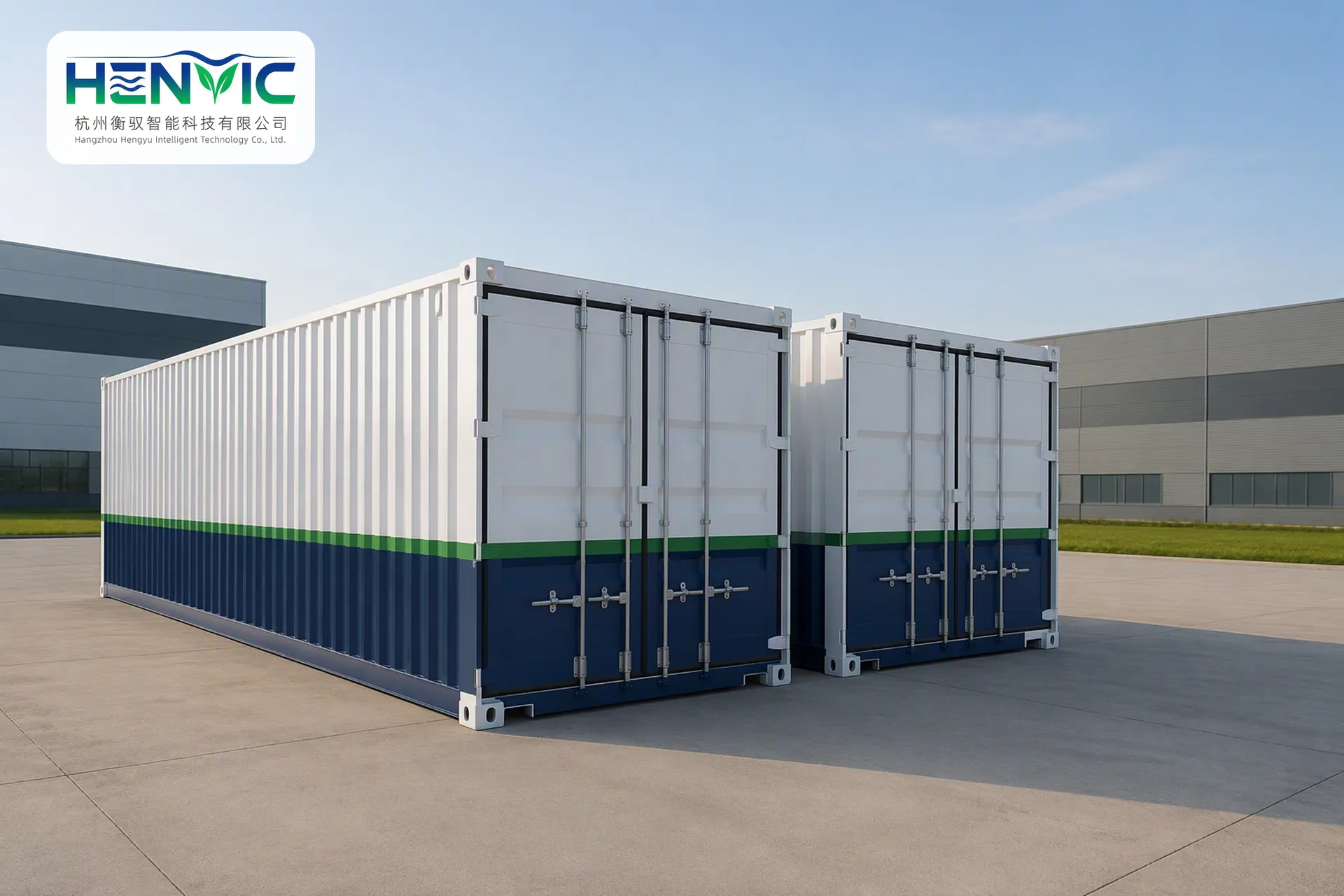
Inresponse to the growing demand for safe, year-round, and high-quality produce, Spinach Cultivation Containers (Spinach CEA Containers) have emerged as a game-changer. By leveraging Controlled Environment Agriculture (CEA) technology within a standardized container footprint, growers can now produce premium spinach independently of external climates, ensuring maximum freshness and nutritional integrity from the container directly to the consumer's table.
II. Technical Architecture and Core Systems
Spinach cultivation in a closed container requires the meticulous replication of optimal growing conditions. A modern spinach cultivation container is an engineering marvel that integrates several sophisticated systems:
1. Precision Environmental Control (HVAC)
Spinach is a cool-season crop that thrives in mild temperatures. Excessive heat causes premature bolting (a natural flowering process that turns leaves bitter) and develops tough, fibrous leaves.
- Temperature Management: The HVAC system precisely maintains the vegetative phase temperature. During the day, it is typically kept between 15°C and 20°C, dropping to 10°C to 15°C during the night to facilitate carbohydrate accumulation and ensure crispness.
- Humidity Control: To prevent tip burn (a common physiological disorder in spinach) and leaf wilting, the system maintains optimal ambient humidity, often utilizing a smart ventilation strategy that balances moisture without condensation.
2. Tailored LED Illumination System
Because the container blocks all natural sunlight, full-spectrum LED grow lights serve as the sole energy source.
- Photoperiod & Intensity: Spinach requires consistent light to maintain vigorous photosynthesis. The illumination system typically simulates a 14 to 16-hour daylight cycle. The light intensity is carefully calibrated to ensure robust leaf expansion without inducing stress.
- Spectral Tuning: By adjusting the ratio of red and blue light, growers can optimize specific traits, such as increasing ascorbic acid (Vitamin C) content and enhancing the vibrant green coloration of the leaves.
3. Hydroponics and Nutrient Delivery System
Spinach requires an uninterrupted supply of water and nutrients to sustain its rapid biological cycle.
- Cultivation Method: Most container farms utilize the Nutrient Film Technique (NFT) or Deep Water Culture (DWC). Multi-layered hydroponic racks maximize spatial efficiency, significantly increasing the yield per square meter.
- Precision Fertigation: Central to the system is an automated dosing unit that monitors the pH and Electrical Conductivity (EC) of the nutrient solution in real time. A perfectly balanced N-P-K ratio, supplemented with essential micronutrients and calcium, is continuously dosed to prevent hollow stems and ensure rich color.
4. Carbon Dioxide (CO₂) Enrichment
To accelerate photosynthesis and increase overall biomass, controlled CO₂ enrichment is occasionally deployed. By supplying CO₂ (often through bench-top generators or compressed tanks), the container effectively simulates a higher-atmosphere environment, resulting in thicker, heavier, and more uniform spinach leaves.
5. Smart IoT Integration
The "brain" of the spinach container relies on a robust Internet of Things (IoT) framework. A suite of sensors continuously feeds data regarding temperature, humidity, light, water, EC, and pH to a centralized controller. The system processes this data and automatically dictates the operation of pumps, fans, and lighting, effectively turning spinach cultivation from an agricultural art into a standardized industrial process.
III. Technical Advantages of Container Cultivation
Compared to traditional greenhouse or field cultivation, spinach cultivation containers offer a multifaceted upgrade:
- Uncompromising Product Quality: The lack of rainwater and external pests ensures that the leaves are consistently clean, safe, and free of contaminants. The controlled environment successfully preserves the tender texture and vibrant green color, eliminating the need for chemical pesticides.
- Hyper-Local Supply and Ultra-Fast Transit: By situating the container near supermarkets, restaurants, or city outskirts, harvest-to-table transit time is minimized. This slashes spoilage rates and delivers unparalleled freshness.
- Groundbreaking Water Efficiency: The closed circulation of hydroponic water means that the system uses less than 10% of the water required for traditional open-field irrigation, making it highly sustainable for regions facing water scarcity.
- Year-Round Predictable Supply: By neutralizing seasonal constraints, the container ensures a stable, continuous crop cycle of 25 to 35 days. This predictability protects growers from the economic volatility of seasonal price fluctuations.
IV. Application Scenarios and Market Impact
Spinach cultivation containers are rapidly integrating into multiple sectors:
- Urban Food Security: By converting rooftops, empty warehouses, or alleyways into vertical farms, cities can meet the growing consumer demand for locally sourced, organic leafy greens.
- Commercial Processing Facilities: For food processing companies requiring specific qualities for ready-to-eat or juiced spinach, the container can deliver consistent, standardized yields that are difficult to achieve in the wild.
- Specialized and Remote Environments: In high-altitude research stations, border outposts, or off-grid eco-tourism resorts, these containers provide a continuous source of fresh, nutritious food where arable land is scarce.
V. Future Outlook
As artificial intelligence and advanced robotics continue to mature, the future of spinach cultivation containers looks incredibly bright. Future iterations will likely integrate AI-driven crop vision systems that detect nutrient deficiencies, monitor leaf thickness, and trigger automated harvesting robots. Coupled with a continuous reduction in energy costs and component prices, this technology is poised to become a foundational pillar of modern urban food systems, ensuring a healthier and more sustainable future for global produce supply chains.