Introduction
With the increasing demand for high-quality and sustainable food sources, innovative approaches to agricultural practices are emerging. The mushroom cultivation industry has witnessed a remarkable transformation through the utilization of containers, and a noteworthy success story has unfolded in [country name]. This article delves into the details of this foreign case, highlighting the strategies, technologies, and outcomes that have made it a shining example in the realm of mushroom cultivation.
Project Background
In a region renowned for its agricultural potential but facing challenges in traditional farming, a visionary agricultural enterprise recognized the opportunity to revolutionize mushroom cultivation. They embarked on a journey to implement container-based cultivation, understanding that it could offer advantages such as controlled environments, efficient resource utilization, and consistent production.
Technology and Setup
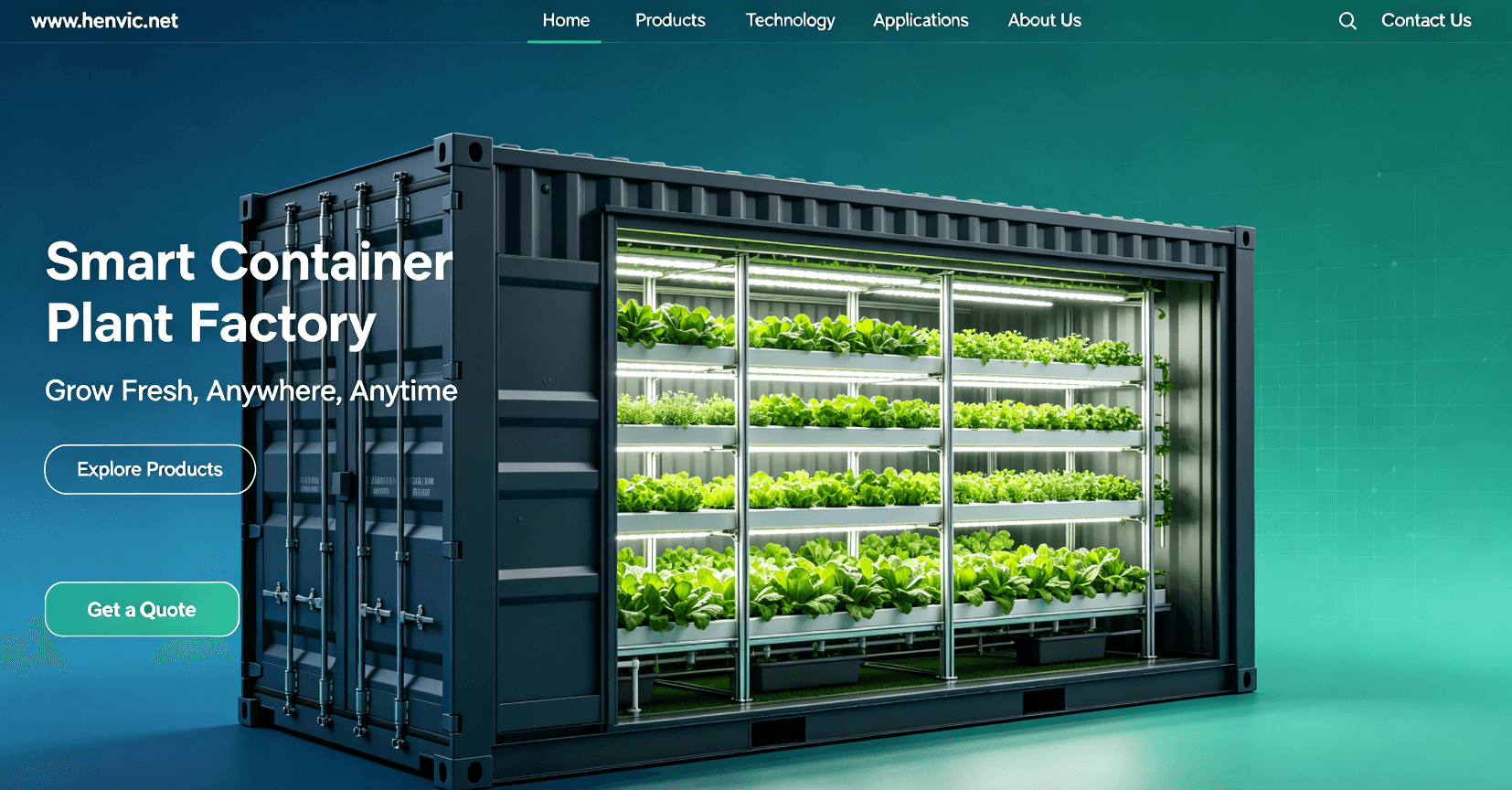
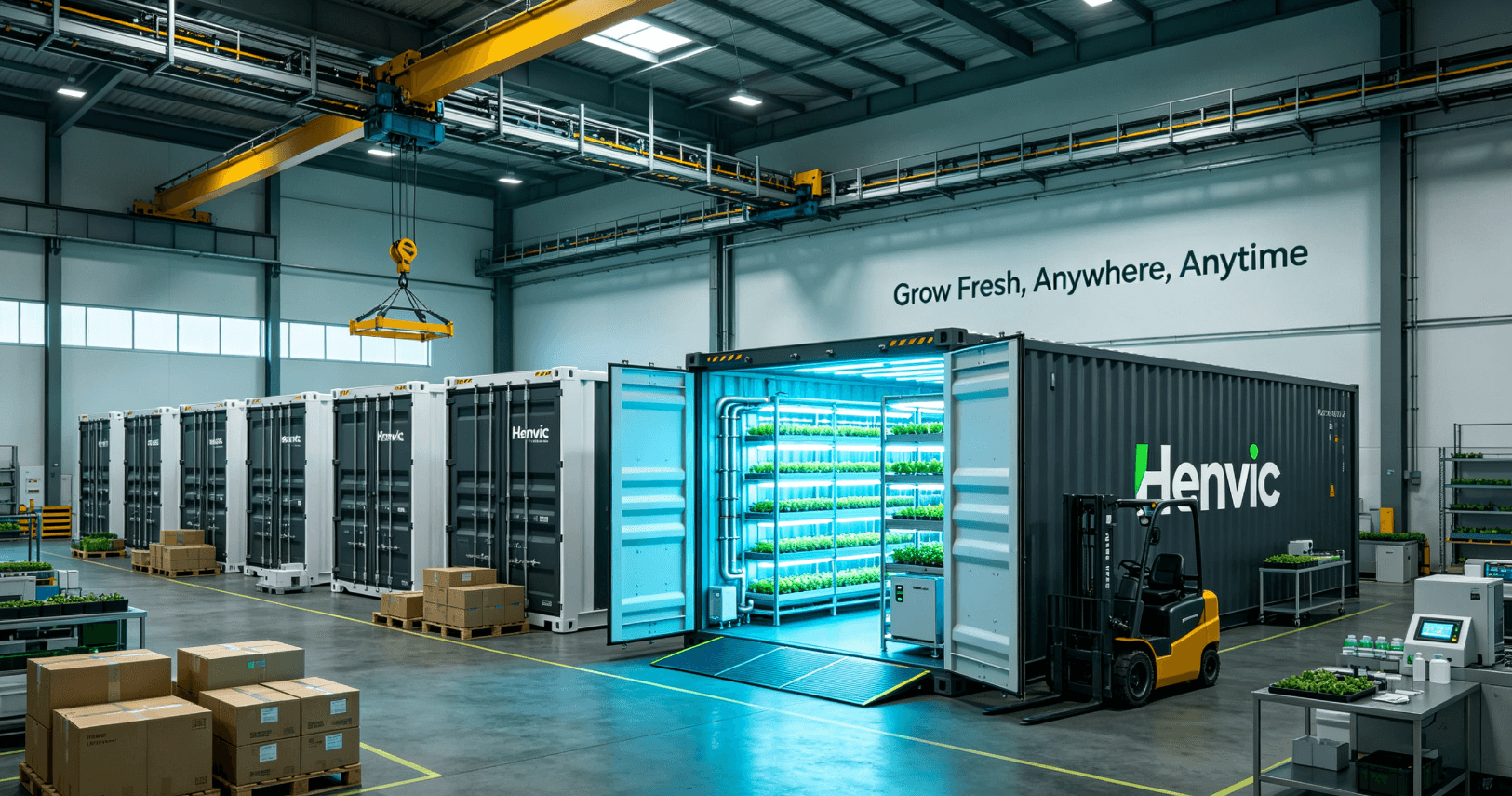
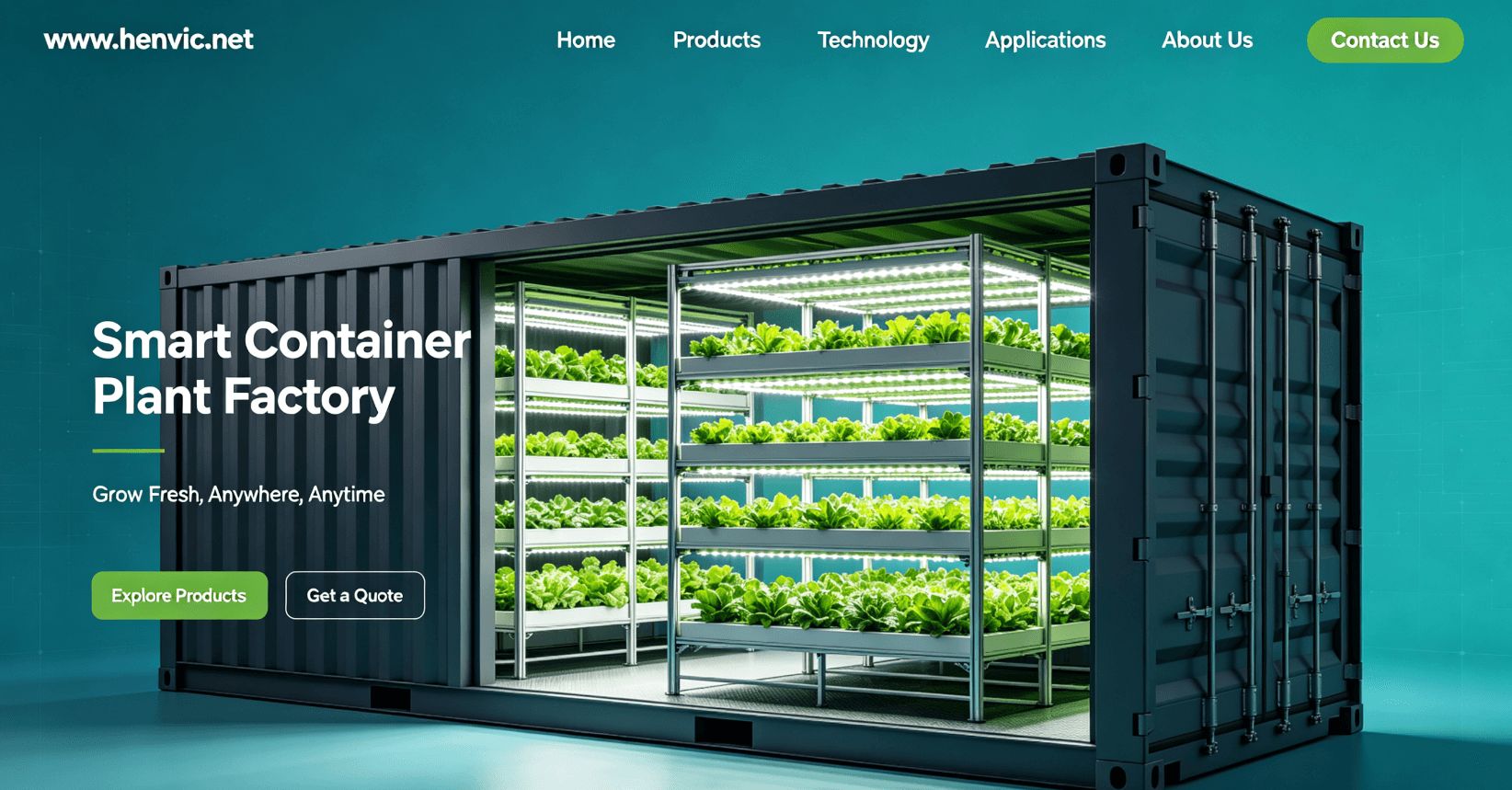
- Advanced Container Design The enterprise invested in state-of-the-art containers specifically tailored for mushroom cultivation. These containers are constructed with high-quality materials that provide excellent insulation and structural integrity. The interior is equipped with a series of sophisticated systems.
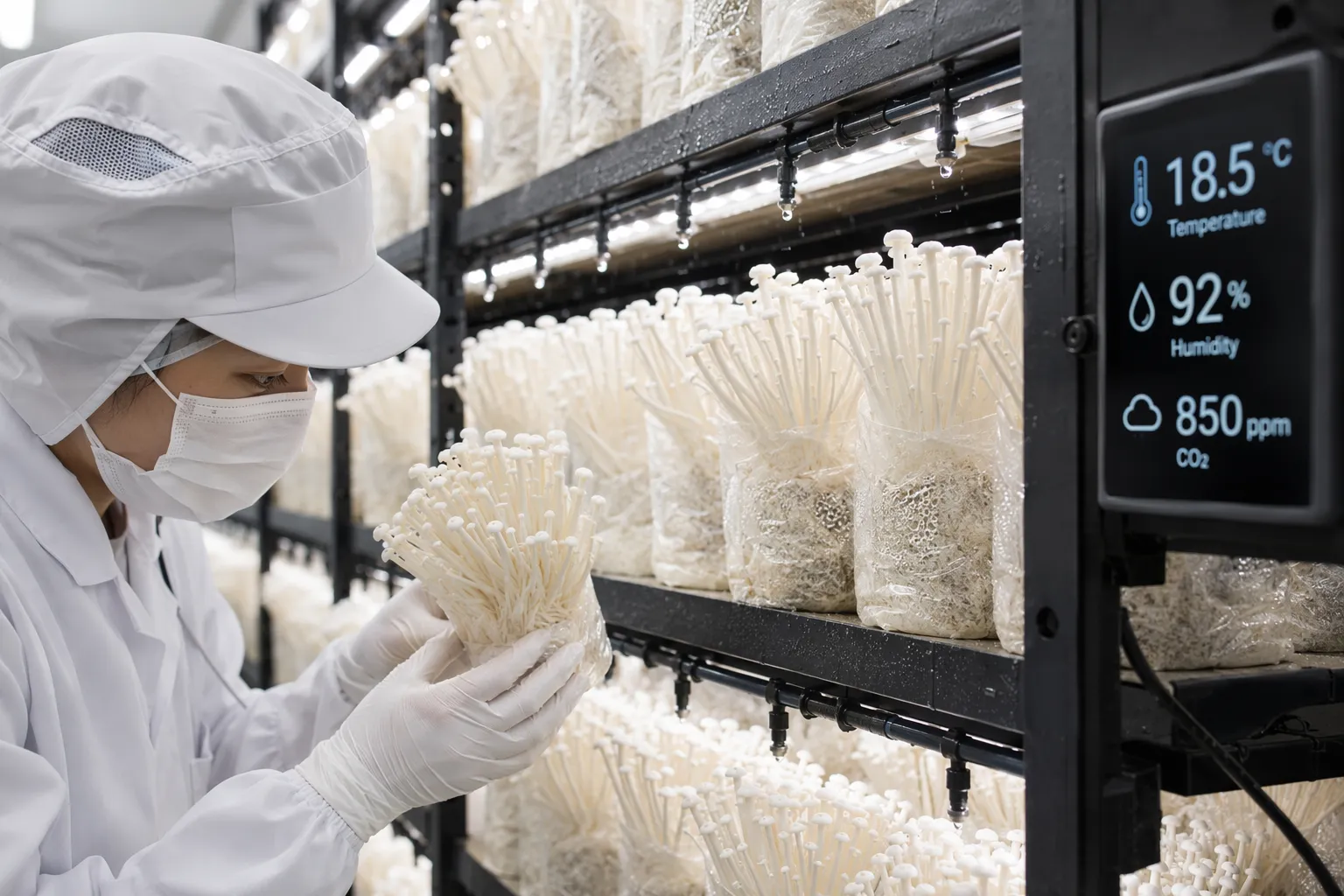
Temperature control is achieved through a combination of refrigeration units and heating elements, all governed by precise sensors that monitor the internal temperature round the clock. The containers can maintain a narrow temperature range, critical for different stages of mushroom growth. For instance, during the colonization phase of spawn, a slightly lower temperature is maintained to encourage mycelial expansion, while for fruiting, the temperature is adjusted to a range that triggers the formation of mushroom caps.
Humidity regulation is another key feature. A misting system integrated into the container ensures that the humidity is kept at optimal levels. Humidity sensors detect any deviations and trigger the misting at regular intervals, preventing the drying out of the substrate or excess moisture that could lead to contamination.
Automated Irrigation and Nutrient Delivery To ensure the mushrooms receive the right amount of water and nutrients, an automated irrigation and nutrient delivery system is implemented. This system uses a hydroponic or aerosol-based approach, delivering a precise mixture of essential nutrients directly to the root zone of the mushrooms. Through continuous monitoring and adjustment, the system caters to the ever-changing needs of the crops throughout their growth stages.
Intelligent Lighting System An intelligent lighting system is installed to mimic the natural light cycles required by mushrooms. By providing a spectrum and intensity that are conducive to photosynthesis, the mushrooms are encouraged to grow in a healthy and robust manner. The lighting can be fine-tuned based on the mushroom species and the growth stage, influencing the aesthetics and size of the mushrooms.
Management and Monitoring
Expert Team and Data Analytics A dedicated team of experts, including agronomists, engineers, and data analysts, oversees the entire cultivation process. The container is wired with numerous sensors that capture a wide array of data, such as temperature, humidity, light intensity, and nutrient levels. This data is fed into a central management system that uses advanced analytics to predict outcomes, identify potential issues, and optimize the growing conditions. Regular meetings are held to discuss the data-driven insights and make necessary adjustments to the cultivation strategy.
Quality Control and Disease Prevention Strict quality control measures are in place. Before the containers are used, thorough cleaning and sterilization procedures are conducted to eliminate any potential contaminants. Throughout the cultivation process, random sampling of the mushrooms is carried out to check for any signs of disease or pests. If any anomaly is detected, immediate action is taken, ranging from adjusting environmental parameters to treating the crops with approved bio - friendly remedies.
Outcomes and Achievements
Increased Yield and Quality The container-based cultivation method has results in a significant increase in mushroom yield. Compared to traditional outdoor or greenhouse cultivation, the yields have been doubled or even tripled. Moreover, the quality of the mushrooms has improved substantially. They are uniform in size, have a firm texture, and possess an extended shelf life due to the controlled environment and reduced exposure to external contaminants.
Sustainability and Resource Efficiency From a sustainability perspective, this approach has proven to be highly efficient. The containers consume less water compared to traditional cultivation methods, thanks to the precise irrigation system. Energy consumption is optimized through the insulation and the use of energy-efficient lighting and climate control systems. Additionally, the controlled environment reduces the reliance on chemical pesticides, minimizing the impact on the environment and producing healthier, more eco-friendly mushrooms.
Economic Viability Economially, the enterprise has seen substantial returns on investment. The increased production and improved quality have enabled them to supply premium-quality mushrooms to high-end markets, leading to higher profit margins. The efficiency of the operation also reduces labor costs, as the automated systems require fewer manual interventions.
Market Impact and Expansion The success of this case has created a stir in the market. The enterprise has been able to secure long-term supply contracts with various retailers and restaurants, both locally and internationally, due to the consistent availability of high-quality mushrooms. Furthermore, this has opened up opportunities for expansion, both in terms of increasing the number of containers and extending the range of mushroom varieties being cultivated.
Conclusion
The successful mushroom cultivation case in [country name] using containers demonstrates the power of innovation and technology in agriculture. By harnessing advanced container design, automated systems, expert management, and data-driven decision-making, significant improvements in yield, quality, sustainability, and economic performance have been achieved. This case serves as an inspiration and a blueprint for other regions and cultivators looking to advance their mushroom cultivation practices and meet the growing demand for nutritious and sustainable food.